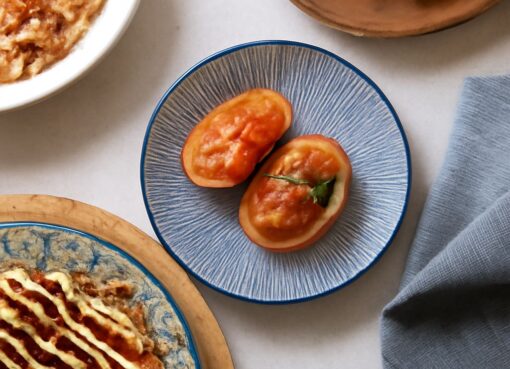
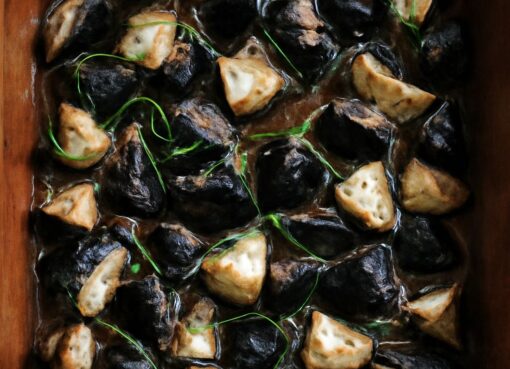
Italian Tapas: Exploring Asian, Mediterranean, and Chorizo Styles
Italian Tapas: Exploring Asian, Mediterranean, and Chorizo Styles
Italian tapas draw on the same concept that makes Spanish small-plate dining appealing: variety, sharing, and bold flavor in modest portions. Italy’s version goes by names like cicchetti in Venice and stuzzichini elsewhere, but the spirit is the same. When paired with ideas from asian tapas and mediterranean tapas, the small-plate format becomes one of the most flexible ways to host a dinner.
This guide covers how to plan a tapas plate spread, what distinguishes each regional tradition, and how chorizo tapas can anchor the savory section of any spread.
What Makes Italian Tapas Distinct
The most recognizable italian tapas come from Venice, where cicchetti are served on small slices of bread or polenta. Common toppings include salt cod mousse, cured meats, and marinated vegetables. Unlike the fried and sauced options common in Spanish bars, Italian small plates tend to be lighter in texture and more reliant on quality ingredients than complex preparation.
Regional Italian antipasti — bruschetta, olives, artichoke hearts, and aged cheeses — translate well to a small-plate format. The key is portioning: each item should be consumed in two or three bites.
Asian Tapas and the Small-Plate Tradition
Dim Sum and Izakaya Comparisons
Asian tapas draw from several distinct traditions. Chinese dim sum, Japanese izakaya food, and Korean banchan all operate on the principle of multiple small dishes served alongside drinks. The social function is the same as Spanish tapas — food facilitates conversation rather than demanding focused attention.
Incorporating asian tapas elements into a mixed spread works well with items like edamame with chili salt, gyoza, or Vietnamese spring rolls. These options pair cleanly with Italian and Mediterranean items because they share the emphasis on fresh ingredients and clean flavors.
Mediterranean Tapas: Shared Roots
Mediterranean tapas span a wider geography than most people realize. Greek meze, Moroccan kefta, Lebanese kibbeh, and Turkish mezes all qualify. The connecting thread is communal dining: many dishes arrive at once, and the table shares everything.
Building a mediterranean tapas spread means including at least one dip (hummus or tzatziki), one stuffed or wrapped item, and one protein. That three-part structure gives the table enough variety without overwhelming the host or the guests.
Building the Perfect Tapas Plate
A well-composed tapas plate balances temperature, texture, and richness. Cold items like marinated olives or sliced charcuterie anchor the spread and require no active cooking during service. Warm items — fried items or grilled skewers — should go out in small batches so they arrive hot.
A tapas plate built for four to six guests typically includes six to eight distinct items. Bread or crackers are not optional; they serve as palate resets between stronger flavors.
Chorizo Tapas as the Savory Anchor
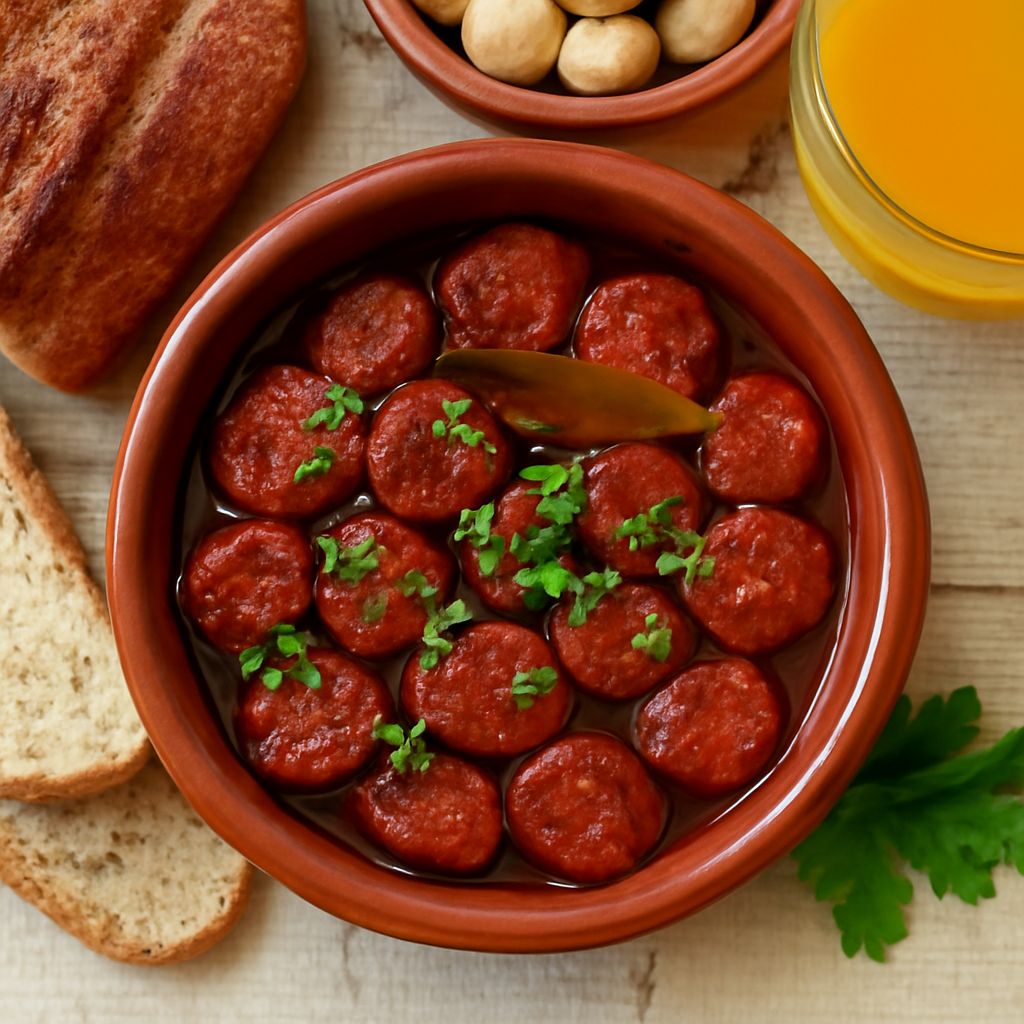
Chorizo tapas appear across Spanish, Portuguese, and now Italian-influenced small-plate menus. Pan-fried chorizo with white wine, honey, and fresh thyme is one of the simplest preparations with the highest return. The fat rendered from the sausage becomes the sauce.
For a mixed regional spread, chorizo tapas work as the protein anchor because the smoky, spiced flavor contrasts well with lighter Mediterranean and Italian items. Keep portions small — three to four slices per person — to leave room for the rest of the spread.
Key takeaways: Small-plate formats from Italy, Asia, and the Mediterranean share the same social logic. A well-planned tapas plate needs variety in temperature and texture, with chorizo tapas providing the savory centerpiece.