Romance Novel Covers: Design Secrets, Cover Models, and Historical Romance Authors
Romance Novel Covers: What Makes Them Work and Who Creates Them
Romance novel covers are among the most strategically designed objects in publishing. A single romance novel cover must communicate genre, heat level, and emotional tone in under three seconds — the approximate time a browser spends scanning a thumbnail. Romance novel cover models bring the human element that readers respond to most strongly, while steamy romance novel excerpts printed on back covers reinforce the visual promise. Historical romance novel authors face additional design challenges: period accuracy matters to dedicated readers who notice anachronistic costumes immediately.
Understanding the craft behind romance cover design helps both readers appreciate the art and aspiring authors make informed decisions when working with designers.
The Psychology Behind Romance Novel Covers
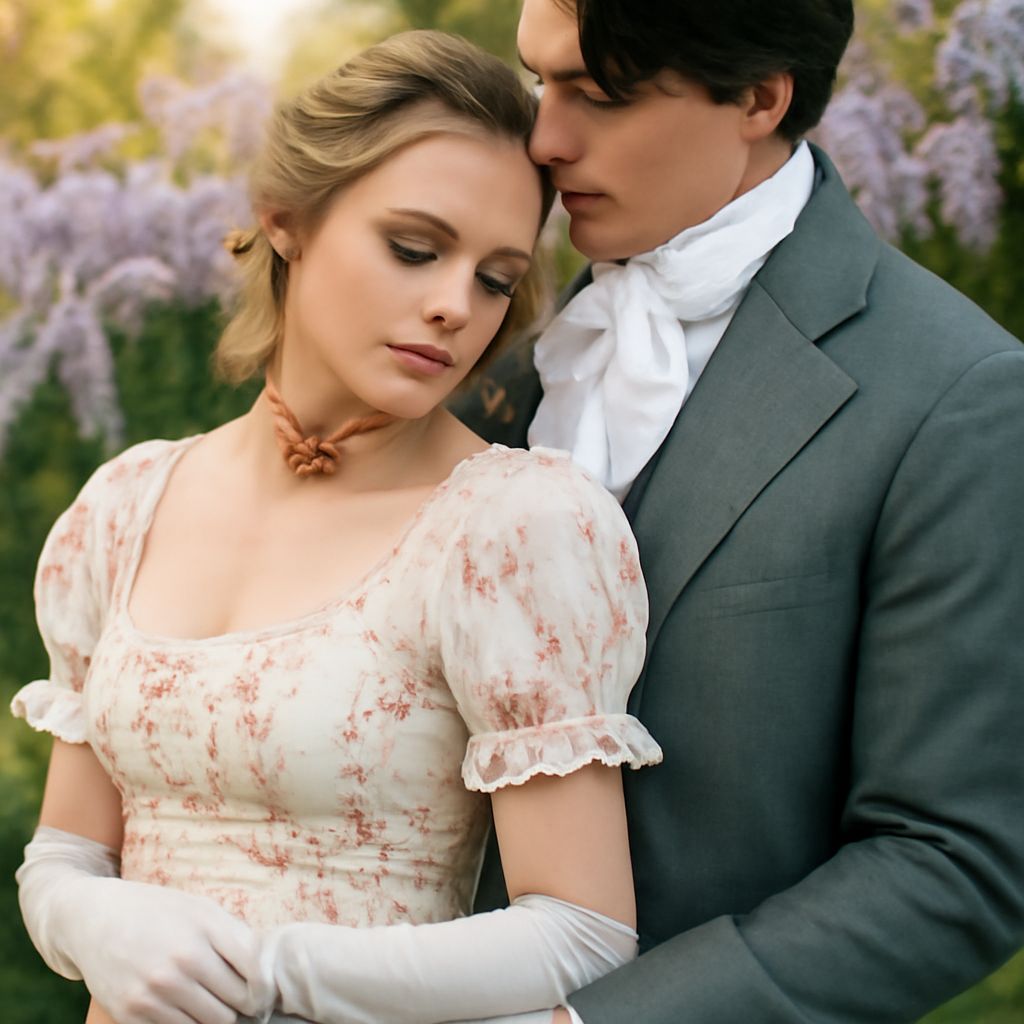
Romance novel covers function as visual contracts with the reader. The color palette, typography, and model composition signal subgenre — dark backgrounds with serif fonts often indicate paranormal or dark romance, while pastel watercolors suggest contemporary or sweet romance. A romance novel cover featuring a clinch between two figures in Regency dress clearly targets historical romance readers. Cover designers deliberately use these conventions to help readers self-sort at the point of purchase.
How Romance Novel Cover Models Are Chosen and Used
Romance novel cover models are typically sourced from stock photography libraries like Period Images, DepositPhotos, or custom photography sessions for high-budget releases. Publishers and indie authors license specific images for exclusive or non-exclusive use. Non-exclusive stock images occasionally result in the same model appearing on multiple romance novel covers — a phenomenon readers track in social media communities. Historical romance novel authors requiring period-appropriate imagery often commission custom shoots to ensure costume and setting accuracy.
Steamy Romance Novel Excerpts as Cover Marketing
Steamy romance novel excerpts featured in promotional materials — back cover copy, online previews, and ARC packages — extend the cover’s visual promise into prose. A compelling excerpt reinforces the emotional and sensual tone communicated by the romance novel cover design. Publishers carefully select steamy romance novel excerpts that spike reader curiosity without resolving plot tension. The excerpt is a conversion tool: its job is to push a browser into a buyer.
What Historical Romance Novel Authors Need From Cover Design
Historical romance novel authors navigate stricter visual requirements than contemporary writers. Period accuracy in costume, hairstyle, and setting builds credibility with dedicated subgenre readers. Historical romance novel authors working with indie designers should provide reference images from the specific era depicted — Georgian, Victorian, and Edwardian periods have distinct silhouettes that knowledgeable readers distinguish immediately. Romance novel covers that mix historical and modern visual elements undermine reader trust before a single page is read.
DIY vs. Professional Romance Novel Cover Design
Self-published authors often face a choice between DIY design using tools like Canva or Photoshop and hiring a professional cover artist. Romance novel covers designed by professionals consistently outperform amateur attempts because experienced designers understand the genre conventions, typography trends, and print specifications that self-publishing platforms require. Romance novel cover models licensed through reputable stock sites protect authors from copyright disputes. The bottom line: a professional romance novel cover designed with appropriate steamy romance novel excerpts and accurate historical elements is one of the highest-return investments a romance author can make.