Cyberpunk City, Cat, Makeup, and Photography: A Style Guide
The cyberpunk city is one of the most visually distinctive settings in contemporary culture, recognizable from neon-lit rain-soaked streets to towering corporate arcologies. The aesthetic extends far beyond fiction into everyday life: cyberpunk cat content saturates social media feeds, cyberpunk makeup appears on fashion runways and Halloween tutorials, and cyberpunk photography has developed into a defined genre with its own compositional conventions. The cyberpunk themes of technology, inequality, and human-machine integration give this aesthetic its depth, distinguishing it from surface-level neon color palettes. Understanding all five dimensions helps creators, consumers, and fans engage more intentionally with a visual language that shapes design, fashion, and digital culture.
The Cyberpunk City as Visual and Literary Setting
A cyberpunk city in literature and film shares recognizable features: extreme vertical density, visible poverty alongside extreme wealth, omnipresent screens and advertising, and rain as a default atmospheric condition. Tokyo, Hong Kong, and Los Angeles serve as the most cited real-world inspirations for the classic cyberpunk city aesthetic. In fiction, cities like Chiba City in Neuromancer and Night City in the Cyberpunk games expand on these inspirations with highly specific world-building. The urban environment in cyberpunk is never neutral; the city itself is a character that reflects and enforces the power dynamics the story explores.
Capturing the Cyberpunk City in Real Urban Photography
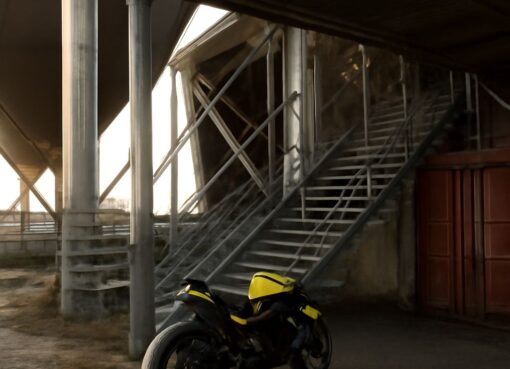
Cyberpunk photography shot in real cities typically seeks out locations where neon signage reflects in wet pavement, where the scale contrast between corporate towers and street-level activity is most legible, and where visible technology intersects with evidence of economic inequality. Cities with dense commercial signage in multiple languages, like Shinjuku or Mong Kok, provide ready-made cyberpunk settings. Photographers working in this genre often shoot at night and in rain, use wide-angle lenses to exaggerate depth, and process images to increase contrast and color saturation in the pink, teal, and purple range.
Cyberpunk Cat: Internet Culture Meets Aesthetic Movement
The cyberpunk cat is a genuine internet phenomenon: images and illustrations of cats styled with neon accessories, holographic collars, circuit-board patterns, or placed in cyberpunk city settings generate enormous engagement across Instagram, Reddit, and DeviantArt. The cyberpunk cat represents the intersection of two dominant internet aesthetics, cat content and retrofuturist design, and the combination is predictably popular. Artists who create cyberpunk cat illustrations often cite the contrast between the cat’s natural aloofness and the hyper-technological environment as central to the image’s appeal. The cat becomes a commentary on how organic life persists within an overwhelming technological system.
Cyberpunk Makeup: Building the Aesthetic on the Face
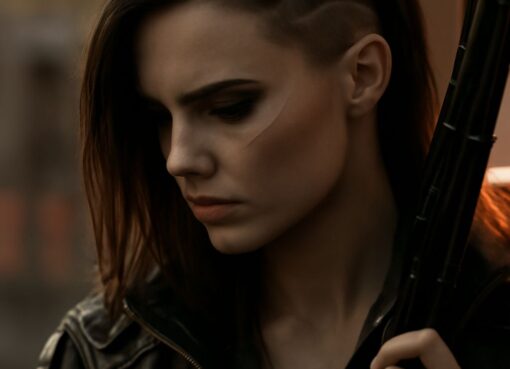
Cyberpunk makeup translates the genre’s visual language into wearable form. The core elements are angular geometric shapes in neon or metallic tones, dark base colors against bright accent lines, and details that suggest mechanical augmentation. Eye designs that mimic circuit boards, metallic chrome lips, and bioluminescent under-eye pigments are standard cyberpunk makeup techniques seen in festival, convention, and editorial contexts. Skin sensitivity matters here: metallic pigments and theatrical-grade products designed for this aesthetic may not be suitable for sensitive skin types, and patch-testing before full application is recommended, particularly for eye-area applications. Removing theatrical makeup thoroughly prevents skin irritation.
Cyberpunk Themes and Their Influence Across Creative Fields
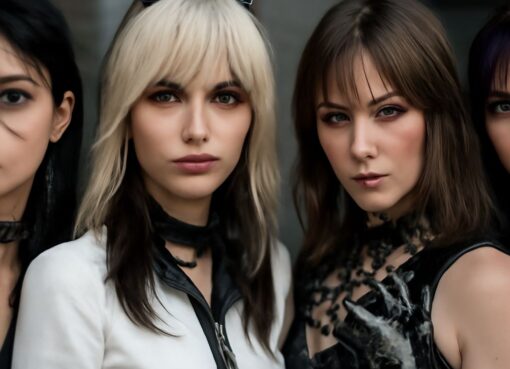
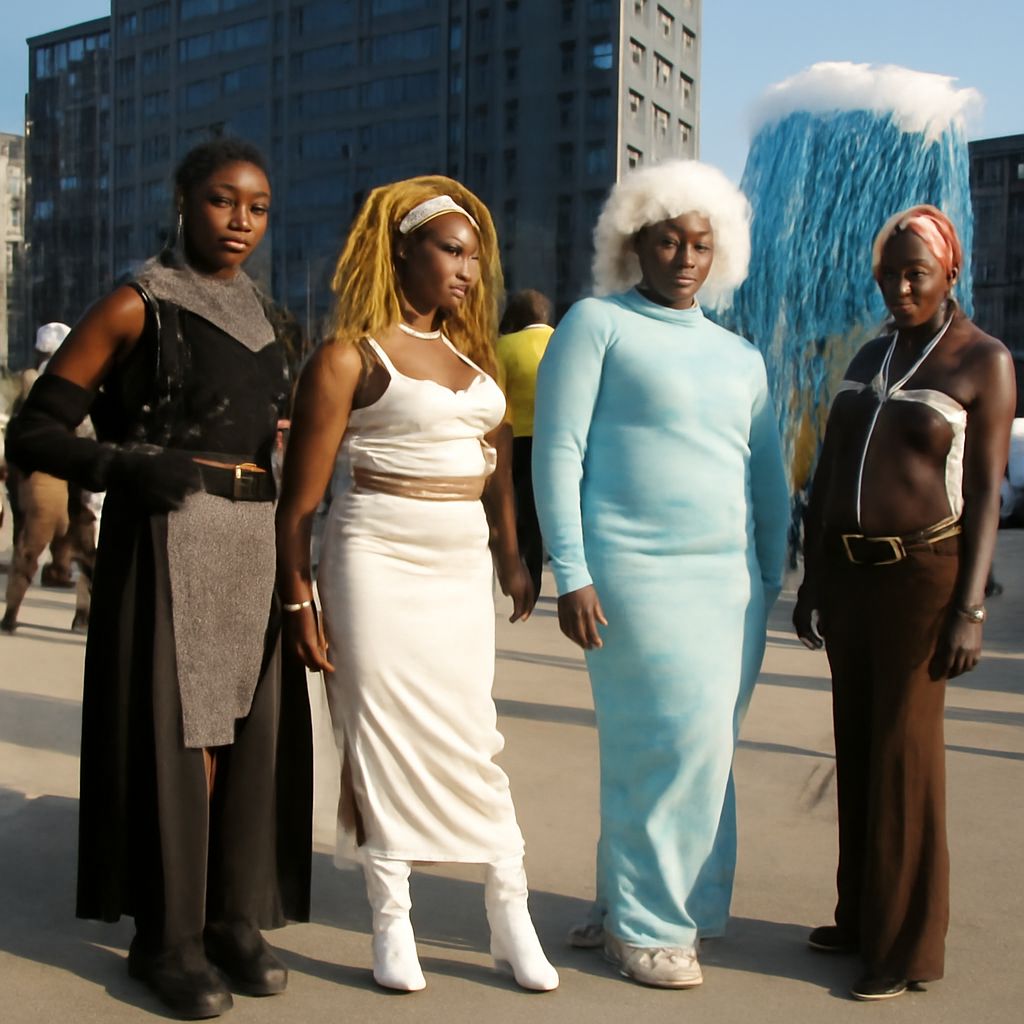
Cyberpunk themes have spread from their literary origins into music, fashion, interior design, game development, and visual art. The core cyberpunk themes, technological acceleration alongside social decay, corporate power above democratic accountability, and bodies modified beyond natural limits, appear across these fields in different registers. In music, acts like Perturbator and Carpenter Brut create synthwave soundtracks that function as cyberpunk city soundscapes. In fashion, designers incorporate LED elements, holographic textiles, and asymmetric silhouettes that echo the genre’s visual vocabulary. The themes’ durability suggests that cyberpunk is not merely a stylistic trend but a sustained response to recognizable features of contemporary life.
Key takeaways: The cyberpunk city aesthetic extends from fiction into photography, makeup, digital art, and internet culture through a consistent set of visual and thematic principles. Cyberpunk makeup and cyberpunk photography both require understanding the genre’s core cyberpunk themes to produce work that feels intentional rather than superficially decorative. The cyberpunk cat phenomenon shows how this aesthetic finds unexpected expressions across creative communities.