Daikon Radish Greens: Recipes for Salad, Soup, and Beyond
Daikon Radish Greens: Recipes for Salad, Soup, and Beyond
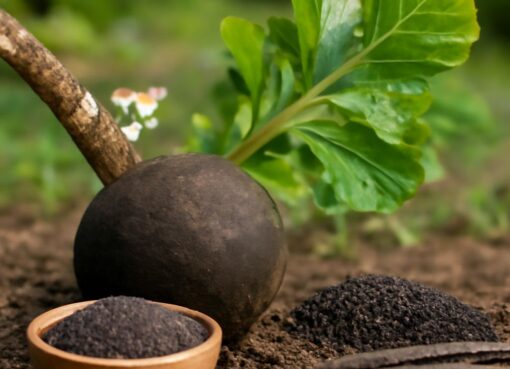
The daikon radish is valued across Asian cuisines for its mild flavor and versatile texture, but its greens often go unused. A good radish greens recipe makes the most of a part of the plant that most cooks discard. This article covers radish greens salad preparations, how to make a nourishing radish greens soup, and the specific qualities that make daikon radish greens worth keeping.
All techniques here work with fresh greens harvested from the radish top. Greens should be used within two days of harvest or purchase for the best flavor and texture.
Cooking With Daikon Radish Greens: Salad, Soup, and Stir-Fry
Daikon radish greens have a slightly peppery taste that softens with cooking. Raw, they work well in a radish greens salad when young and tender. Older leaves have more texture and hold up well in soups and stir-fries.
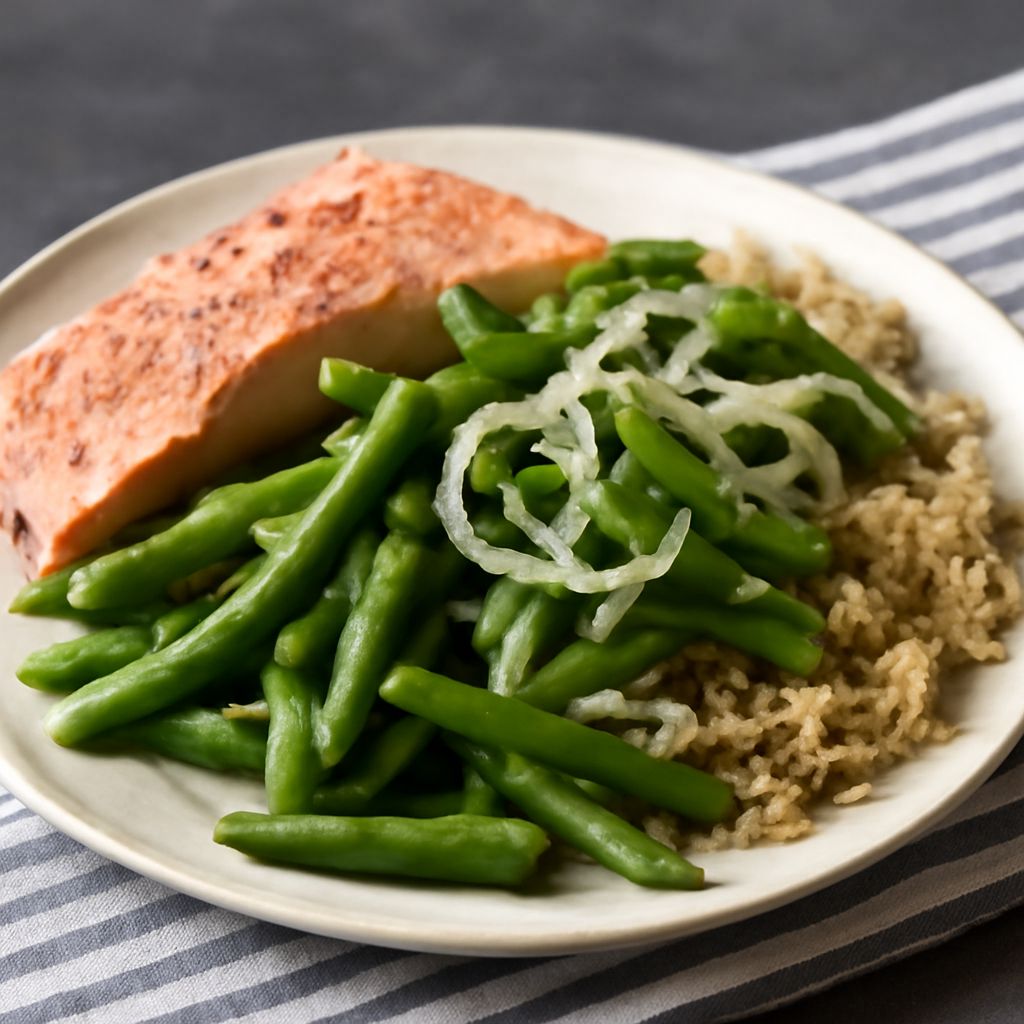
For a simple radish greens salad, wash the leaves thoroughly, spin dry, and dress with a light sesame vinaigrette. Add thinly sliced daikon radish and toasted sesame seeds. This preparation takes under ten minutes and uses the whole plant efficiently.
A radish greens recipe for a quick stir-fry works well with garlic, sesame oil, and a splash of soy sauce. The greens wilt quickly, so the process takes three to four minutes over high heat. This method suits weeknight cooking and pairs with steamed rice or noodles.
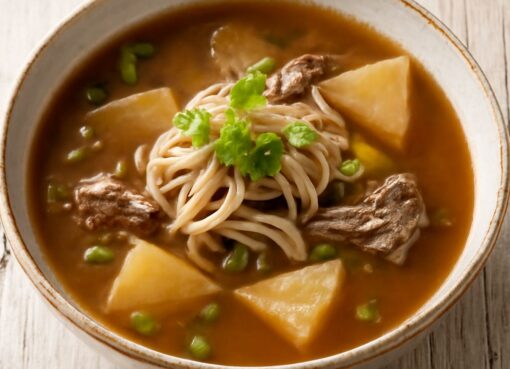
For a warming radish greens soup, sauté aromatics including ginger and garlic in a stock pot. Add vegetable or chicken broth, bring to a simmer, then add cleaned greens in the final three minutes. A squeeze of lemon or rice vinegar brightens the finished soup. Miso paste dissolved in a small amount of broth makes an excellent flavor base for this application.
Daikon radish greens contain significant levels of vitamins A, C, and K, along with calcium and iron. These nutrients make the greens a practical addition to the diet beyond just reducing food waste. The oxalate content in raw greens is moderate; individuals managing kidney conditions should consult a healthcare provider before consuming them in large quantities regularly.
Blanching daikon radish greens briefly before use reduces bitterness in older leaves. Bring salted water to a boil, add the greens for 60 seconds, then transfer to an ice bath. This step improves palatability when the greens come from more mature plants.
A radish greens soup made with miso, tofu, and daikon radish greens is a common preparation in Japanese home cooking. The umami from the miso complements the mild bitterness of the greens without overpowering them. Adding cubed silken tofu in the last minute keeps it intact and adds protein to the dish.
Radish greens salad preparations benefit from acid to balance the peppery notes. Lemon juice, rice vinegar, or even a small amount of apple cider vinegar all work. Pairing with creamy elements like avocado or a soft-boiled egg rounds out the flavor profile.
Store unwashed radish greens in a damp paper towel inside a sealed bag in the refrigerator. Use within two days. Washing before storage accelerates spoilage, so wait until just before preparation to rinse them.