What Are Tapas: Spanish Small Plates and Dining Style Explained
What Are Tapas: Spanish Small Plates and Dining Style Explained
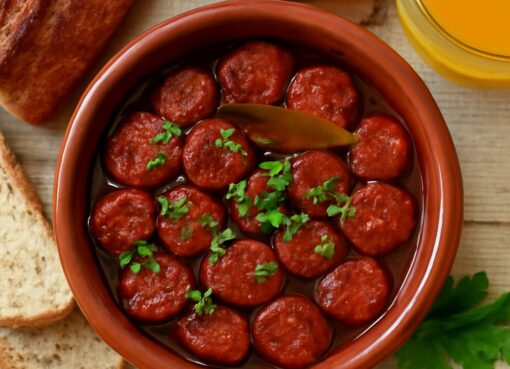
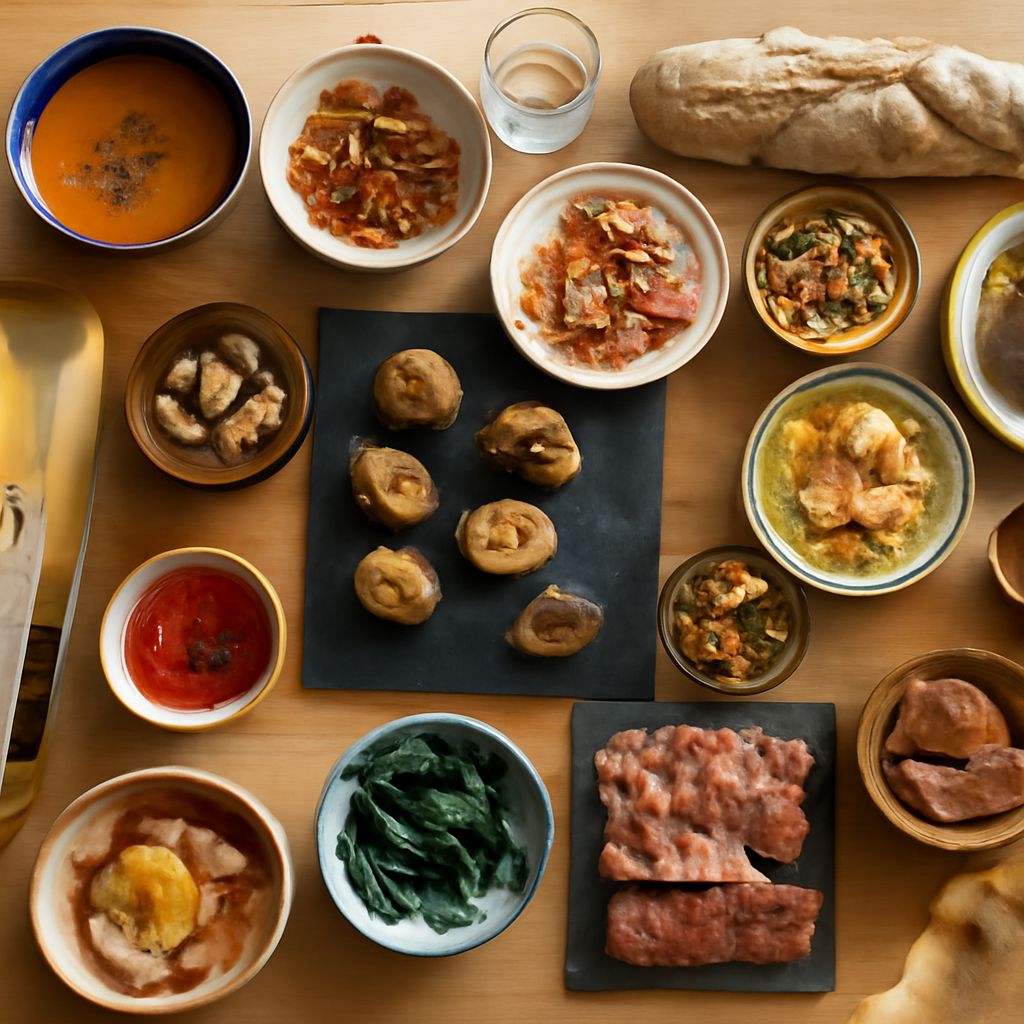
The question “what are tapas” points to one of Spain’s most enduring culinary traditions: small, shareable plates served alongside drinks in bars and restaurants. What is a tapas restaurant in the modern sense varies from country to country, but the core idea is consistent: multiple small dishes arrive at the table throughout the meal rather than one large plate per person. Traditional spanish tapas range from simple olives and sliced cured meats to hot preparations like patatas bravas and boquerones al vinagre. Tapas plates come in ceramic, slate, or wood depending on the establishment, and they are typically small enough to be passed around the table. Understanding what is tapas style dining means embracing shared eating as the social center of the meal.
Understanding the Tapas Tradition and Where It Came From
What are tapas in their historical context? The word “tapa” means lid in Spanish, and the most widely cited origin story involves bar owners placing a slice of bread or cured meat over a glass of sherry to keep flies away. Whether that story is entirely accurate, the practice of serving small bites alongside drinks became embedded in Andalusian culture by the 19th century and spread northward over the following decades. What is a tapas restaurant today is shaped by that history: a place where the social ritual of drinking and eating small plates together takes precedence over a formal dining sequence. In Spain, going out for tapas is less about dining and more about spending time with people.
Traditional spanish tapas reflect regional ingredient availability. In coastal areas, seafood dominates: gambas al ajillo, pulpo a la gallega, and boquerones are standard. Inland regions favor cured pork products, chickpea dishes, and roasted vegetables. The dishes served on tapas plates in Seville differ noticeably from those in San Sebastián, where pintxos, the Basque equivalent, are served on bread and priced per piece rather than by order. Knowing the regional variation helps visitors navigate tapas culture more confidently and explains why the same dish can taste very different depending on where it is eaten.
What is tapas style eating in practice? Guests at a tapas restaurant typically order two or three dishes at a time rather than making the full selection upfront. New dishes arrive as others are finished. The pace is unhurried, and it is common to spend two or three hours at the table without that being considered unusual. Tapas plates are designed to be eaten standing at a bar or seated at a small table, often without full table settings. This format encourages ordering adventurously since the financial and practical stakes of any single dish are low: a disappointing plate is small, affordable, and quickly replaced by something better.
Home cooks recreating traditional spanish tapas typically find the technique forgiving and the ingredient list manageable. Most classic tapas require only a few quality ingredients prepared simply: good olive oil, garlic, fresh seafood or quality pork, and seasonal vegetables. Patatas bravas, one of the most requested tapas dishes in Spanish bars, uses floury potatoes fried in oil and served with alioli and a spiced tomato sauce. Pan con tomate, another staple, is little more than bread rubbed with ripe tomato and dressed with olive oil and salt. The restraint of traditional spanish tapas is central to their quality: the ingredients do the work when they are genuinely good.
Outside Spain, what is a tapas restaurant has expanded to include many interpretations, from strictly traditional menus to fusion approaches that borrow the small-plate sharing format while applying it to non-Spanish cuisines. The shared format and the tapas-style approach to dining have influenced restaurant culture globally, appearing in Mediterranean, Latin American, and Asian contexts. What these interpretations share with the original is the commitment to multiple small dishes, communal eating, and a relaxed pace that makes the meal itself a social event rather than a prelude to one.