Daikon Radish Benefits: Nutrition, Health, and Growing Guide
Daikon Radish Benefits: Nutrition, Health, and Growing Guide
Daikon radish benefits extend well beyond the kitchen — this versatile root vegetable offers impressive nutritional density, culinary flexibility, and agricultural value as a cover crop. Daikon radish health benefits are supported by a growing body of nutritional research highlighting its fiber content, digestive enzymes, and antioxidant compounds. Korean radish nutrition profiles are particularly well-documented in East Asian dietary research. For gardeners, knowing when to plant daikon radish is as important as knowing how to use it in the kitchen. And for those watching caloric intake, daikon radish calories are remarkably low relative to the vegetable’s nutritional contribution.
This guide covers everything from the root’s nutritional profile to planting timelines and culinary applications.
Core Nutritional Profile and Daikon Radish Health Benefits
Daikon radish health benefits start with its macronutrient profile: the vegetable is approximately 95% water, making it naturally low in calories while providing significant volume. It contains vitamin C, folate, potassium, and dietary fiber, along with digestive enzymes — particularly diastase and amylase — that support carbohydrate digestion.
Antioxidant Content and Anti-Inflammatory Properties
Daikon radish benefits related to inflammation reduction are linked to its isothiocyanate compounds, which research suggests may support liver function and reduce oxidative stress. These same compounds characterize many brassica vegetables. Korean radish nutrition research indicates similar profiles in closely related varieties used in traditional kimchi preparation.
Daikon Radish Calories and Weight Management
Daikon radish calories are exceptionally low: a 100-gram serving provides approximately 18 kilocalories. This combination of low daikon radish calories and high water content makes it a practical addition to calorie-conscious meal plans. The fiber content also contributes to satiety, meaning smaller portions satisfy more effectively than the calorie count alone suggests.
Daikon radish health benefits for those managing blood sugar include a low glycemic index and fiber that slows glucose absorption. These properties make it a popular vegetable in diabetic dietary planning across East Asian medical traditions.
Korean Radish Nutrition in Traditional Cuisine
Korean radish nutrition has been integral to Korean cooking for centuries. The variety used in kimchi — mu — is slightly shorter and rounder than Japanese daikon, with a denser texture and slightly sharper flavor. Both varieties share the core daikon radish benefits: low calorie density, digestive enzyme content, and significant vitamin C.
Fermented preparations like kkakdugi (cubed radish kimchi) transform the raw vegetable’s nutrition profile through lacto-fermentation, adding probiotic cultures that further support digestive health.
When to Plant Daikon Radish for Best Results
Understanding when to plant daikon radish depends on the climate zone and intended use. In most temperate regions, daikon radish benefits most from cool-season growing conditions — late summer planting for fall harvest is ideal, as cold temperatures improve sweetness and reduce pungency. Spring planting works in cooler climates but risks bolting in heat.
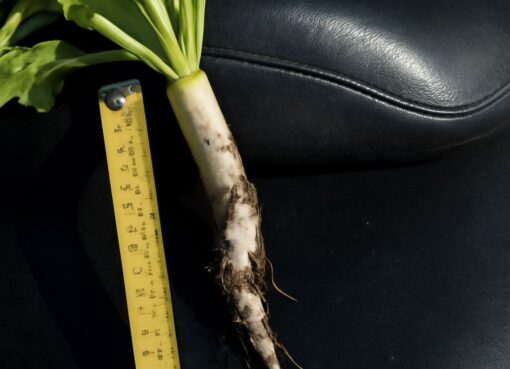
Gardeners using daikon as a cover crop — a practice called tillage radish cultivation — plant in late summer after main crops are harvested. The deep taproot breaks up compacted soil over winter, releasing daikon radish benefits that extend to the soil ecosystem rather than the dinner table.
Preparing and Using Daikon in the Kitchen
Daikon radish benefits are retained through a wide range of preparation methods: raw in salads, pickled, braised, grated as a condiment, or simmered in soups. Korean radish nutrition is preserved best in quick-cooked preparations that avoid prolonged heat exposure. Daikon radish calories remain consistent across methods, though added sauces and fats will increase the overall dish calorie count. When to plant daikon radish for personal harvest should factor in planned culinary uses — fall-harvested daikon has more complex flavor than spring-grown roots.