Tillage Radish Seed: Cover Crops, Forage Radish, and Buying Guide
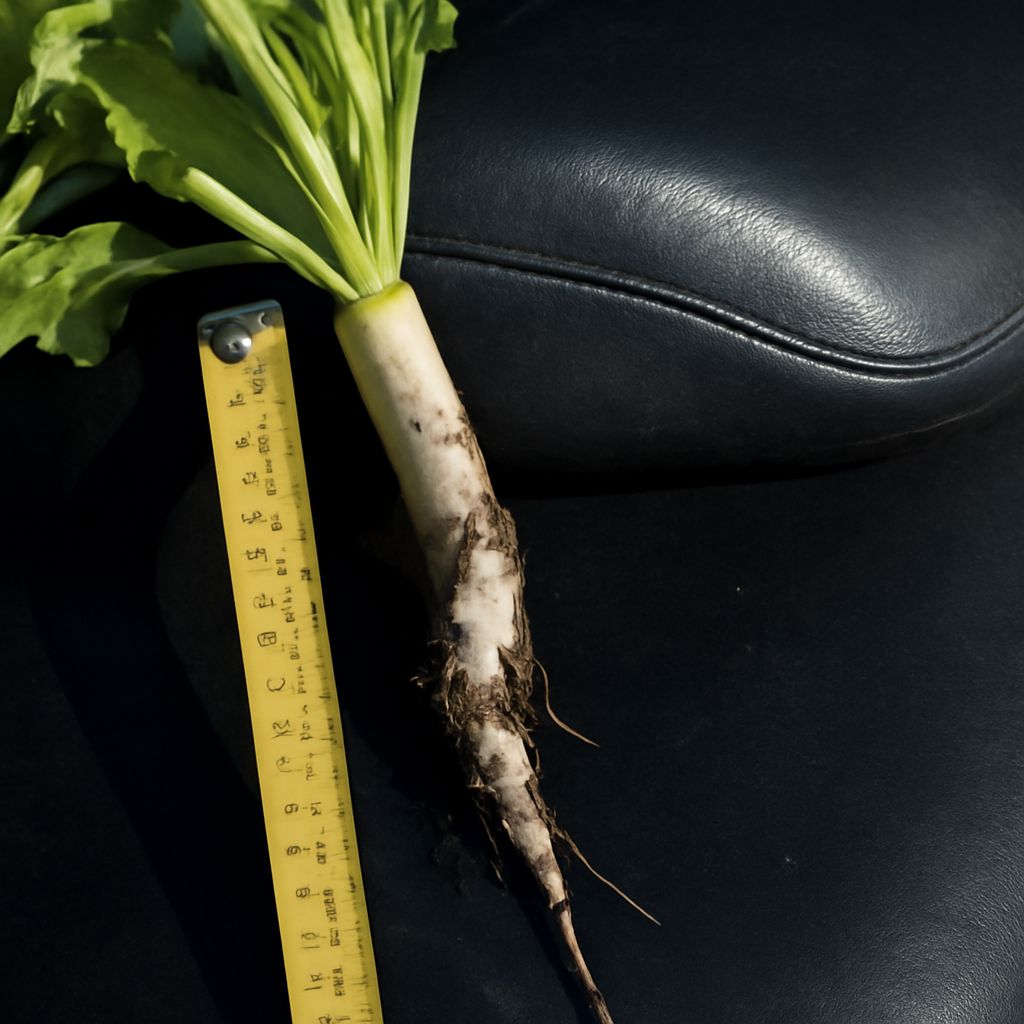
Tillage radish seed has become one of the most popular cover crop choices for farmers and large-scale gardeners seeking natural soil improvement. The daikon radish cover crop application leverages the root’s remarkable taproot depth — reaching up to 60 centimeters — to break through compacted soil layers without mechanical tillage. Forage radish varieties overlap significantly with tillage radish in agricultural use, with both serving soil health and erosion control functions. The radish family’s versatility across culinary, agronomic, and horticultural applications makes it one of the most economically significant root vegetables globally. Tillage radish seed for sale is widely available through agricultural suppliers, cover crop seed companies, and online specialty retailers, with pricing varying significantly based on quality and certification.
This guide covers tillage radish seed selection, planting protocols, and how to evaluate suppliers.
How Tillage Radish Works as a Cover Crop
Tillage radish seed planted in late summer grows rapidly before frost, sending a deep taproot through compacted soil layers. When the plant winterkills, the decomposing root leaves a channel that improves water infiltration and aeration in subsequent growing seasons. The daikon radish cover crop effect on soil structure is documented across multiple university extension studies and is considered one of the most reliable non-mechanical compaction-busting methods available to farmers.
Comparing Tillage Radish to Other Cover Crops
Tillage radish seed competes with cereal rye, crimson clover, and winter wheat for cover crop acreage. The radish advantage is rapid establishment and deep compaction relief; the limitation is that it winterkills rather than providing spring biomass. A daikon radish cover crop is therefore best suited to fields where winter soil protection and compaction relief are priorities over spring biomass contribution.
Forage Radish: Agricultural Overlap and Differences
Forage radish varieties are selected for high biomass production and palatability to livestock rather than primarily for soil improvement. Forage radish fields are often grazed in late fall after crops are harvested, providing high-quality forage during a period when other feed options are limited. Forage radish and tillage radish seed selections share the deep taproot characteristic but differ in leaf mass and sugar content.
Farmers choosing between forage radish and tillage radish should clarify their primary objective: livestock grazing argues for forage radish; soil compaction relief with minimal additional management argues for tillage radish.
Selecting Tillage Radish Seed for Sale: What to Look For
Quality tillage radish seed for sale should include germination rate certification (minimum 85%), a purity percentage indicating seed cleanliness, and clear variety labeling distinguishing tillage from forage types. The radish seed market includes both certified and uncertified seed — certified seed costs more but provides documented performance standards.
Bulk tillage radish seed for sale from regional agricultural co-operatives typically offers the best cost-per-pound value for large acreage plantings. Online specialty retailers provide certified forage radish and tillage radish seed options with more detailed provenance documentation for smaller-scale buyers.
Planting and Management of the Daikon Radish Cover Crop
Tillage radish seed is drilled at rates of 8 to 12 pounds per acre or broadcast at 10 to 15 pounds per acre, with the higher rate applying to broadcast applications. The daikon radish cover crop establishment window closes approximately six weeks before the average first hard frost — earlier planting produces more root development and greater compaction relief. The radish will self-terminate in most USDA hardiness zones below Zone 7, eliminating the need for spring termination management. Bottom line: tillage radish seed offers documented soil improvement benefits; forage radish provides dual soil and livestock value; and evaluating tillage radish seed for sale quality by germination certification ensures field performance matches investment.