Manga vs Light Novel: Understanding the Differences
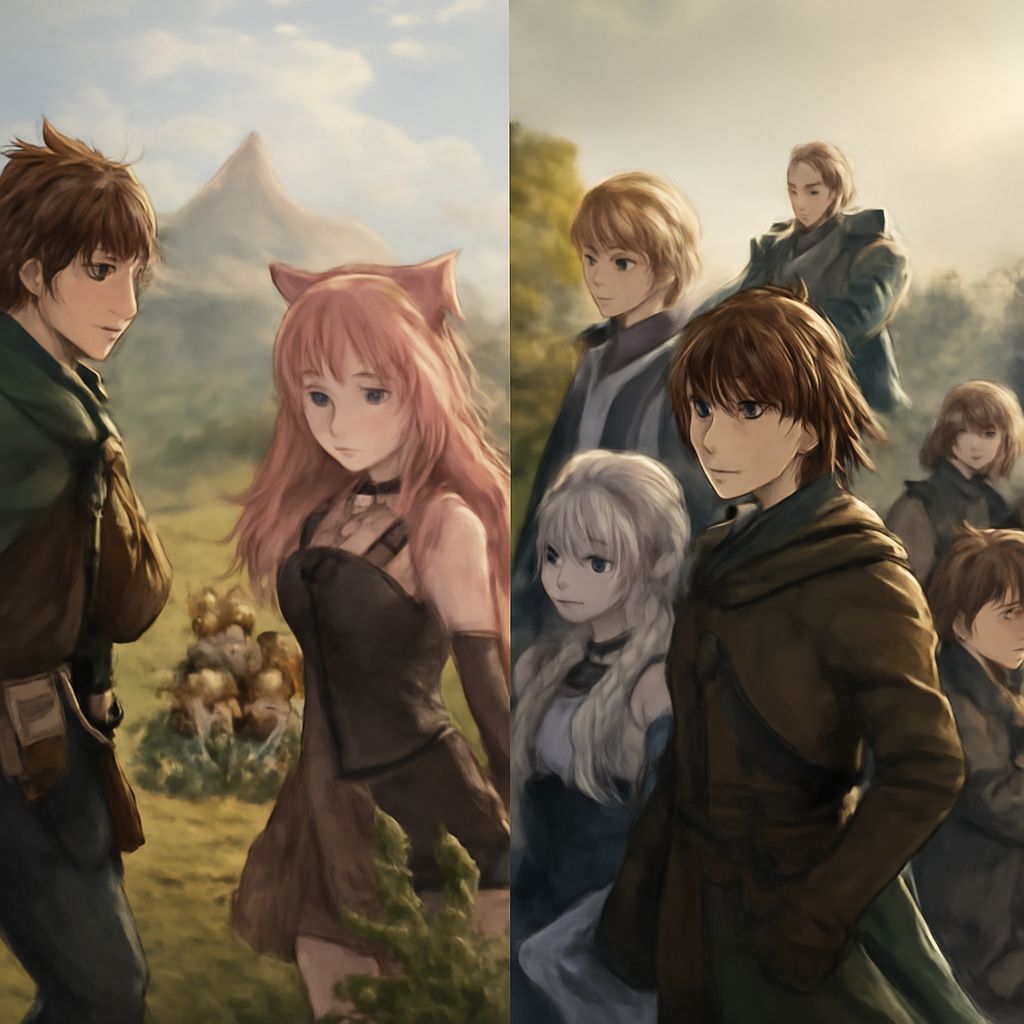
In the ever-expanding universe of Japanese literature, two prominent formats stand out: manga and light novels. These distinct mediums offer unique storytelling experiences, each with its own style and appeal. But what is a light novel vs manga? This article delves into the defining characteristics of both, exploring popular genres like harem, apotheosis, and yuri light novels. Understanding the nuances between these formats can help readers make informed choices based on their preferences. Join us as we unpack the artistry and narrative depth of both manga and light novels, and discuss which medium might suit your literary taste.
What Is a Light Novel vs Manga?
Defining Manga
Manga is a Japanese comic book or graphic novel, characterized by its vibrant art style and dynamic storytelling. Manga stories are often serialized in magazines before being published as a complete volume. The visual elements in manga play a crucial role, with detailed illustrations accompanying text to create an immersive experience. This form of storytelling is renowned for its ability to convey emotions and action vividly, often through expressive character designs and dynamic panel layouts.
Understanding Light Novels
Light novels, on the other hand, are a form of Japanese literature primarily aimed at young adults. They are typically shorter than traditional novels and contain illustrations, albeit less frequently than manga. So, what is a light novel vs manga in terms of format? While light novels rely heavily on textual narration, they incorporate occasional artwork to enhance the reader’s imagination. Commonly serialized, light novels often explore intricate plots and character development, providing a different depth compared to the visual-centric manga.
Popular Light Novel Genres: Harem, Apotheosis, and Yuri
Exploring Harem Light Novels
Harem light novels are a popular genre where the protagonist is surrounded by multiple romantic interests. This genre blends elements of romance and comedy, often featuring complex interpersonal dynamics. The narrative typically revolves around the protagonist’s interactions with various characters, creating a tapestry of relationships that are both engaging and entertaining.
The Rise of Apotheosis Light Novels
Apotheosis light novels, often involving themes of personal growth and transcendence, have seen a significant rise in popularity. These stories usually follow characters who undergo a transformation or enlightenment, achieving higher levels of consciousness or power. This genre appeals to readers who enjoy epic tales of self-discovery and overcoming adversity, often set in fantastical worlds.
Yuri Light Novels: A Unique Genre
Yuri light novels focus on romantic relationships between female characters. This genre emphasizes emotional depth and the exploration of love and identity. Readers are drawn to yuri light novels for their nuanced portrayal of relationships and the exploration of themes like acceptance and self-awareness.
Manga vs Light Novel: Which One to Choose?
Storytelling and Art Style
When considering whether to choose manga or light novels, it is essential to weigh the storytelling and art style. Manga offers a visual-centric experience, with art playing a significant role in storytelling. In contrast, light novels provide a more text-heavy narrative, relying on descriptive language to build the story. Readers who prefer visual storytelling might gravitate towards manga, while those who enjoy detailed narratives may find light novels more appealing.
Target Audience and Popularity
The choice between manga and light novels also depends on the target audience and popularity. Manga often appeals to a broader audience due to its accessibility and visual allure. Light novels cater to readers who appreciate in-depth storytelling and character development. Both formats have distinct fanbases, and their popularity continues to grow globally, making them integral parts of Japanese culture.