Ulysses: Exploring James Joyce’s Masterpiece
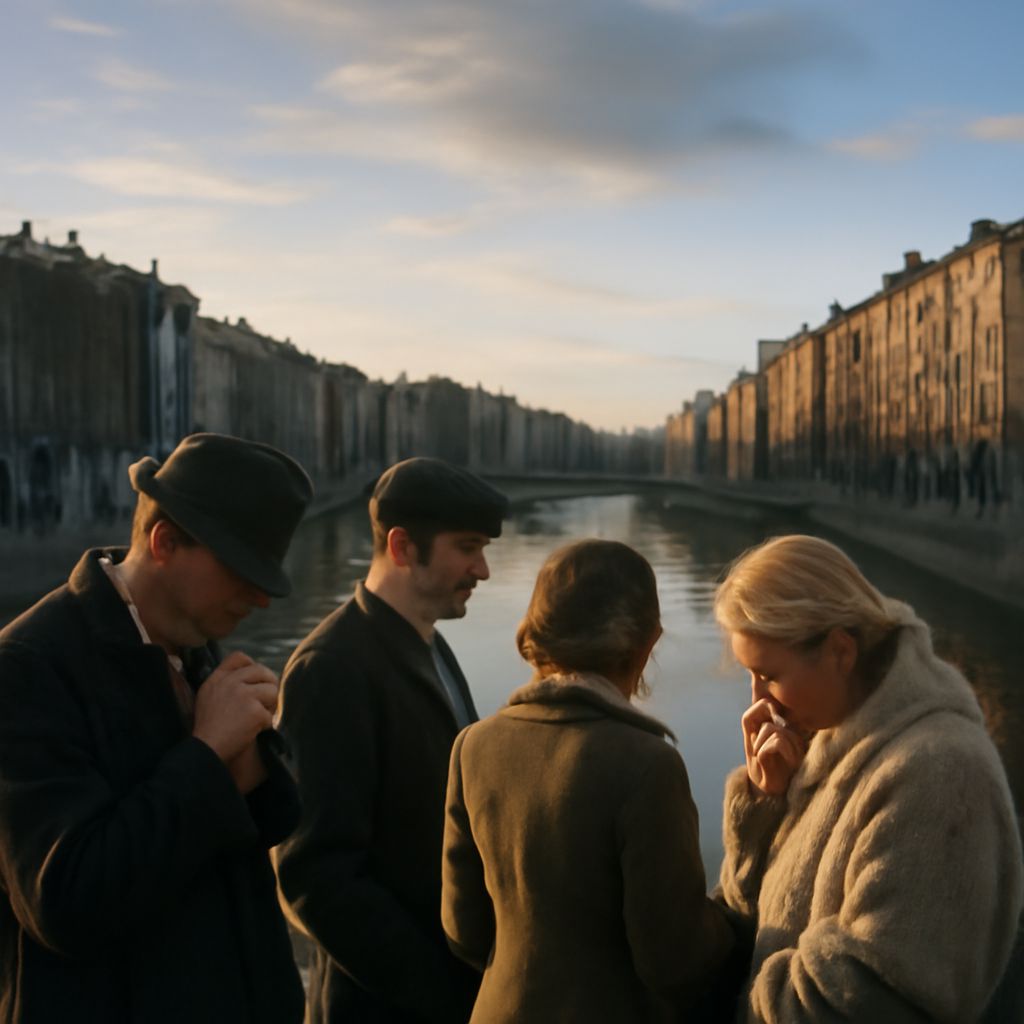
James Joyce’s “Ulysses,” first published in 1922, stands as a monumental work in the realm of modern literature. Revered for its innovative narrative techniques and exploration of the human psyche, “Ulysses” Joyce has continually challenged and inspired readers since its release. This article delves into the complexities of Joyce’s writing, examining its unique structure, themes, and cultural impact. By understanding the intricacies of “Ulysses,” readers can appreciate the enduring legacy of Joyce’s masterpiece.
Considered a cornerstone of modernist literature, “Ulysses” Joyce not only reshaped narrative storytelling but also opened new vistas for literary expression and introspection. Through this exploration, we uncover the stylistic innovations and thematic richness that have cemented its place in literary history.
Introduction to Ulysses
“Ulysses” is set on a single day in Dublin, June 16, 1904, following the lives of its central characters: Leopold Bloom, Stephen Dedalus, and Molly Bloom. Joyce crafts a detailed and immersive narrative that mirrors Homer’s “Odyssey,” with each episode paralleling the ancient epic’s structure. Readers traverse the city’s streets, as Joyce meticulously captures Dublin’s essence through his characters’ experiences and interactions.
The Structure and Style of Ulysses
The structure of “Ulysses” is renowned for its complexity, divided into 18 episodes, each with distinct narrative styles and techniques. Joyce employs stream-of-consciousness, a revolutionary style that delves into the thoughts and emotions of the characters with unprecedented depth. This style allows readers to experience the internal struggles and reflections of protagonists in real-time, providing a multifaceted view of their psyches.
“Ulysses” Joyce’s narrative is further enriched by its linguistic innovations, including puns, allusions, and a varied use of dialects. These elements not only illustrate Joyce’s linguistic prowess but also serve to immerse the reader in the diverse social landscape of early 20th century Dublin.
Themes and Motifs in Ulysses
Central to “Ulysses” is the theme of identity and self-discovery. Characters grapple with their sense of self and their roles in society, reflecting broader questions about human existence. Joyce explores themes of nationalism, religion, and the tension between tradition and modernity, providing a mirror to the societal changes of his time.
Motifs such as water, time, and the city of Dublin itself recur throughout the novel, symbolizing the flow of consciousness and the passage of time. The depth of these themes and motifs in “Ulysses” Joyce invites readers to engage with the text on multiple levels, uncovering new interpretations with each read.
Cultural Impact of Ulysses Joyce
The cultural impact of “Ulysses” Joyce is profound, influencing not only literature but also other art forms. Its initial publication sparked controversy due to its candid portrayal of human thought and behavior, leading to disputes over censorship and literary freedom. However, its eventual acceptance paved the way for greater freedom in artistic expression.
Joyce’s work has inspired countless writers, artists, and scholars, contributing to ongoing discussions about narrative form and the function of literature in society. Today, “Ulysses” remains a touchstone for those exploring the potential of the written word, demonstrating how literature can capture the complexities of human experience.
Safety note: When engaging with any literary work, especially one as intricate as “Ulysses,” it’s essential to approach it with an open mind and readiness to explore diverse perspectives. While the novel delves into sensitive topics, it provides an opportunity for enriching dialogue and understanding.