Taro: A Cultural and Culinary Delight
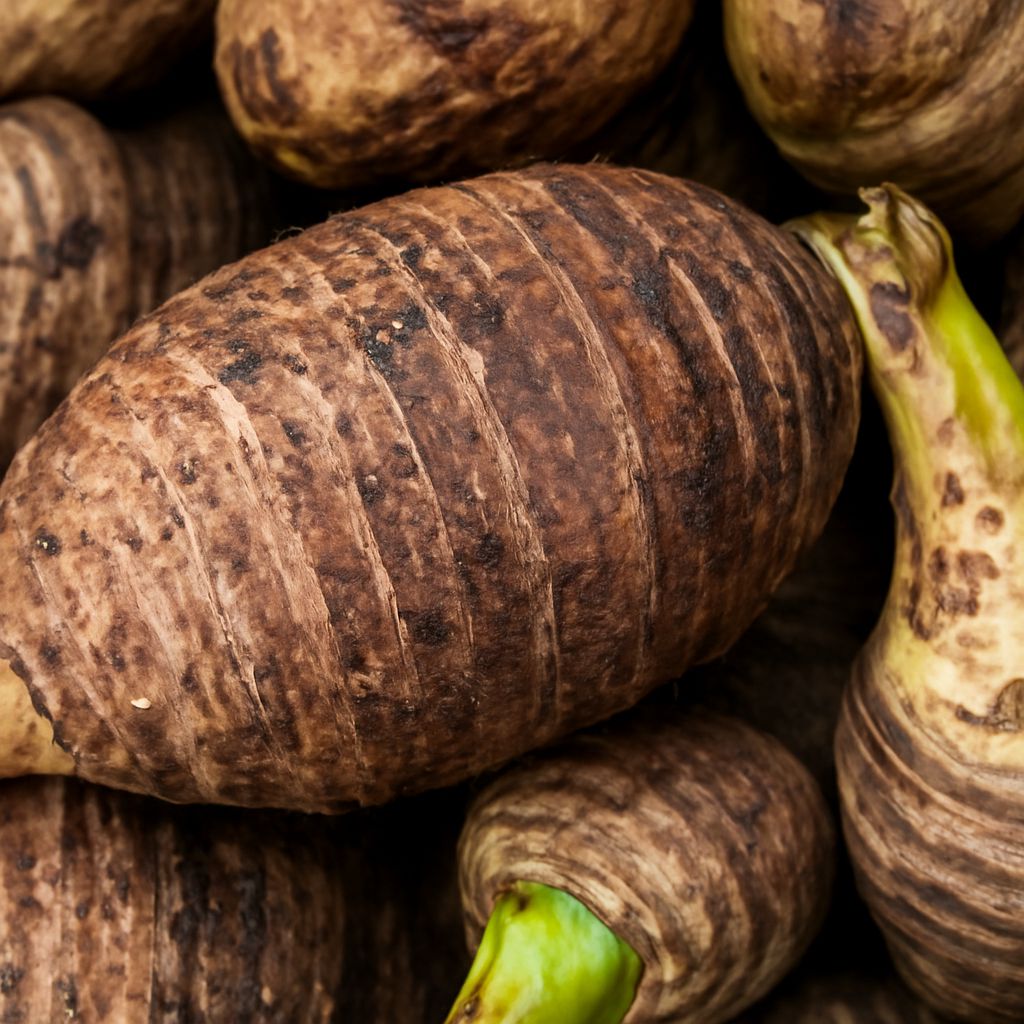
Taro root is a versatile ingredient cherished in various cultures for its unique flavors and numerous health benefits. Known by many as the “taro fruit” or “arbi vegetable,” this starchy root has become a staple in both traditional and modern culinary practices. With a rich history spanning continents, taro continues to captivate taste buds and support diverse dietary needs. This article delves into the nutritional benefits, cultural significance, and culinary uses of taro root, while offering practical tips for preparing it at home.
Introduction to Taro
Taro, scientifically known as Colocasia esculenta, is a root vegetable commonly found in tropical and subtropical regions. While often referred to as “taro fruit,” it is actually a tuber that holds significant cultural and culinary value. The “arbi vegetable” has a mildly sweet and nutty flavor, making it a versatile ingredient in a wide array of dishes.
Nutritional Benefits of Taro Root
Rich in fiber, vitamins, and minerals, taro root offers several health benefits. It is an excellent source of dietary fiber, which aids in digestion and helps maintain healthy cholesterol levels. The root contains essential vitamins such as vitamin C, vitamin E, and several B vitamins, contributing to immune support and energy production.
Moreover, taro is known for its mineral content, including potassium and magnesium, which are vital for heart health and muscle function. The “taro fruit” is also a gluten-free carbohydrate option, making it suitable for those with gluten sensitivities or celiac disease.
Culinary Uses of Taro Root
Taro root’s versatility shines in its various culinary applications, from traditional to modern dishes.
Traditional Dishes
In many cultures, taro is a staple ingredient. In Hawaiian cuisine, it is famously transformed into poi, a smooth, fermented paste. Meanwhile, Indian cuisine celebrates the “arbi vegetable” in spicy curries and fried snacks like arbi masala and pakoras.
Modern Recipes
Contemporary chefs have embraced taro for its unique texture and flavor. It is often used in taro bubble tea, a popular beverage with a distinctive purple hue, and taro chips provide a crunchy, healthy alternative to traditional potato chips.
Taro in Different Cultures
Taro’s cultural significance is evident across many continents. In the Pacific Islands, it is a symbol of sustenance and community, often featured in celebrations and rituals. In Asian cultures, taro is used in both savory and sweet dishes, such as Chinese mooncakes and Taiwanese desserts.
The “arbi vegetable” also plays a role in African and Caribbean cuisines, where it is incorporated into stews and soups, highlighting its adaptability and cultural relevance.
How to Cook Taro Root at Home
Cooking taro root at home requires a few simple steps. Begin by peeling the skin with a sharp knife, as it can be irritating to the skin. It’s important to cook the taro thoroughly to neutralize naturally occurring compounds that can cause an itchy throat.
Boiling, steaming, and baking are common methods to prepare taro. For a simple dish, boil taro pieces until tender, then season with salt, pepper, and herbs. Alternatively, create a luscious taro mash or incorporate it into soups for added texture and flavor.
With its versatility and rich flavor profile, taro root is a culinary delight waiting to be explored, promising both cultural depth and nutritional benefits in every bite.