Commercial Diving: Exploring the Depths of Technology and Culture
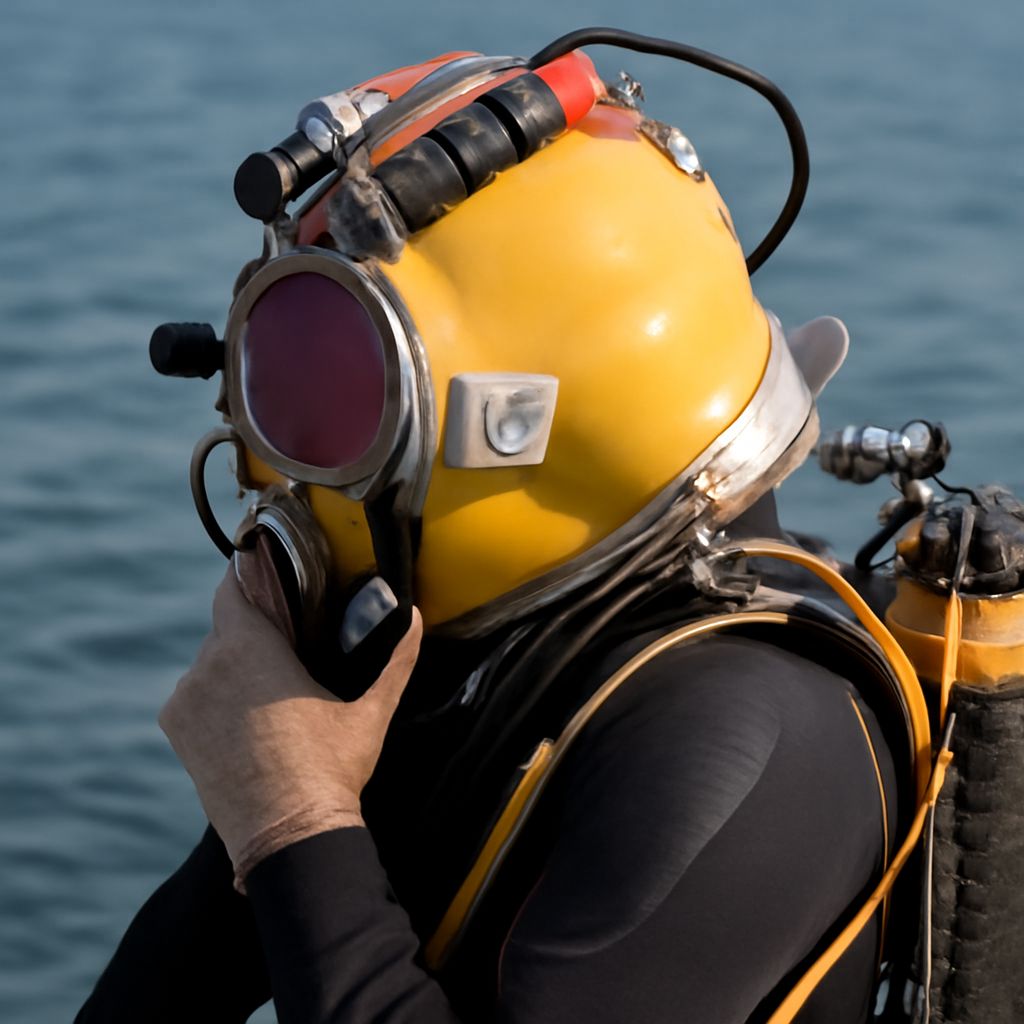
Commercial diving is a unique profession that combines the thrill of underwater exploration with the cutting-edge advancements of technology and automation. Over the years, the field has evolved significantly, integrating sophisticated tools and practices that enhance efficiency and safety. From the depths of natural waters to the underwater construction sites, commercial divers are at the forefront of technological innovation, pushing the boundaries of what can be achieved beneath the surface.
As technology continues to revolutionize various industries, commercial diving has seen a substantial impact. The integration of automation and advanced equipment has transformed the way divers operate, making tasks safer and more efficient. This article explores the evolution of commercial diving, the role of technology, cultural aspects, safety protocols, and future trends shaping the profession.
The Evolution of Commercial Diving
Commercial diving has undergone a remarkable transformation since its inception. Originally reliant on simple tools and manual labor, the field has embraced technological advancements to improve operational efficiency and safety. The introduction of scuba gear, diving helmets, and pressurized suits marked significant milestones in the evolution of commercial diving.
Today, commercial divers utilize a range of sophisticated equipment, including remotely operated vehicles and cutting-edge communication systems, which have redefined the capabilities of underwater exploration. These tools have enabled divers to reach greater depths and perform complex tasks with precision, highlighting the industry’s continual advancement.
Technology’s Impact on Commercial Diving
Automation in Underwater Tasks
The advent of automation has revolutionized commercial diving by streamlining underwater tasks. Automation systems are now employed to perform repetitive or dangerous jobs, such as inspections and repairs, reducing the need for divers to be in hazardous environments. This not only increases productivity but also enhances diver safety.
Robotic systems and drones are examples of automation in commercial diving, providing real-time data and imagery that are crucial for decision-making. These innovations allow divers to focus on more specialized tasks, while machines handle the routine operations, maximizing efficiency and accuracy.
Advanced Equipment Enhancements
Advanced equipment has played a pivotal role in enhancing the capabilities of commercial divers. Modern diving suits are equipped with life-support systems and communication devices that improve both safety and coordination during dives. Moreover, the development of sonar and imaging technology allows for precise mapping and obstacle detection, aiding in complex underwater projects.
These technological advancements are critical in expanding the reach of commercial diving, allowing for operations in previously inaccessible areas. By leveraging advanced technology, divers can now undertake more challenging assignments, pushing the boundaries of underwater exploration.
Cultural Aspects of Being a Commercial Diver
The cultural landscape of commercial diving is shaped by a blend of tradition and innovation. Divers are part of a close-knit community that values teamwork, resilience, and adaptability. The demands of the profession require a unique set of skills and a willingness to embrace new technologies and methods.
Commercial divers often share a strong bond, forged through shared experiences and challenges. This camaraderie is a defining element of the profession, fostering a culture that celebrates both individual achievement and collective progress.
Safety Protocols in Commercial Diving
Safety is paramount in commercial diving, given the inherent risks associated with underwater operations. Strict safety protocols are in place to protect divers, including thorough pre-dive checks, emergency response plans, and regular training on the latest equipment and techniques.
Divers are trained to recognize potential hazards and respond effectively to emergencies. The use of advanced technology, such as automated monitoring systems, further enhances safety by providing real-time data on environmental conditions and diver status. It’s essential for divers to adhere to these protocols to prevent accidents and ensure successful missions.
Future Trends in Commercial Diving
The future of commercial diving is poised to be shaped by ongoing technological advancements and increasing demand for underwater exploration and construction. Emerging technologies, such as AI-driven analytics and enhanced remote-operated vehicles, promise to further revolutionize the industry.
As environmental concerns and the exploration of underwater resources gain prominence, commercial divers will play an integral role in ensuring sustainable practices and efficient operations. The continued integration of technology and automation will be crucial in meeting these challenges, paving the way for a new era of underwater innovation.