Church Newsletter Templates, Examples, and Ideas for Congregation Communication

A well-produced church newsletter keeps congregation members informed, connected, and engaged between services. Church newsletter templates simplify production by providing a consistent structure each week or month. Church newsletter examples from other congregations offer practical inspiration for content, tone, and layout. Whether producing a print edition or a digital send, the newsletter newsletter format – consistent, scheduled, community-focused – applies directly to faith-based communication.
The sections below cover template selection, content planning, visual elements including church newsletter clipart, and distribution strategy.
Selecting Church Newsletter Templates That Match Your Congregation
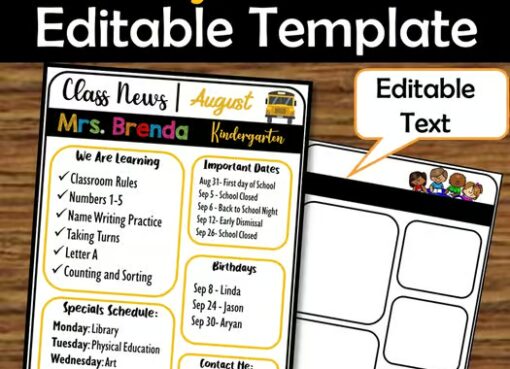
Church newsletter templates range from simple two-column layouts to multi-section designs with photo blocks and event calendars. The right template depends on how the newsletter will be distributed. Print versions need higher-resolution formatting with clear bleed margins. Email versions benefit from single-column layouts that render cleanly on mobile devices.
Most design platforms – Canva, Adobe Express, and Microsoft Publisher – offer church-specific template libraries. Look for templates that include space for a pastoral message, upcoming events, and community news. A template with too many fixed sections becomes a constraint rather than a tool when the volume of content varies week to week.
Adapting Templates for Different Publication Frequencies
Weekly church newsletters need simpler templates than monthly editions. A weekly format typically covers service announcements, prayer requests, and a brief message. Monthly newsletters allow for longer articles, ministry spotlights, and annual calendar updates. Match template complexity to the realistic production capacity of whoever creates each issue.
Learning From Church Newsletter Examples
Reviewing church newsletter examples from congregations of similar size and tradition reveals what resonates with faith communities. Online archives, church blog posts, and nonprofit newsletter repositories are good starting points. Look for how other congregations handle recurring sections: are ministry updates presented as short paragraphs or bulleted lists? Does the editor’s note appear at the front or back?
Strong church newsletter examples share practical traits: clear event dates, accessible language, and a visual hierarchy that guides the reader through sections without confusion. Avoid imitating the presentation of much larger organizations whose production resources far exceed what a volunteer-staffed publication can replicate.
Using Church Newsletter Clipart Thoughtfully
Church newsletter clipart adds visual interest to print and digital editions without requiring original photography. Seasonal clip art – Advent candles, Easter imagery, harvest themes – helps set context quickly. However, clipart should support content rather than pad pages. One well-placed image per section is generally more effective than scattered decorative elements throughout.
Copyright matters with church newsletter clipart. Use images from licensed clipart collections, royalty-free libraries, or images explicitly cleared for church use. Many denominational publishing houses offer clipart licensed specifically for congregation publications.
Finding the Right Newsletter Newsletter Rhythm
The newsletter newsletter principle – sending consistently and on schedule – matters as much for church publications as for commercial email lists. Irregular sends train readers to ignore the publication. A consistent schedule, even a simple monthly one, builds the expectation that the newsletter will arrive and that it will contain useful information.
Announce the schedule to members and stick to it. If production capacity limits frequency, reduce to a schedule that is sustainable. A monthly newsletter produced well is more effective than a weekly one that arrives late and incomplete.
The church newsletter serves a community, not a marketing goal. Content should reflect the actual needs and rhythms of the congregation rather than mimicking commercial email strategies. Pastoral warmth, concrete event details, and ministry updates carry more weight with a faith community than polished promotional copy.