Pickled Daikon Radish Recipe: How to Preserve, Substitute, and Use Every Part
Daikon radish is one of those versatile root vegetables that rewards anyone willing to explore it. A solid pickled daikon radish recipe transforms this mild white root into a tangy, crunchy condiment that pairs with rice bowls, tacos, and grain salads. Beyond pickling, purple daikon radish offers a striking color variation worth trying. Whether someone needs a daikon radish substitute for a dish or wants to grow daikon radish sprouts at home, this guide covers the full range. For those tracking carbohydrates, daikon radish keto compatibility makes it a useful addition to low-carb meal plans.
This post covers the standard quick-pickle method, color varieties, substitution options, sprouting basics, and nutritional profile so readers can work with daikon in multiple ways.
Quick Pickled Daikon Radish Recipe
Brine Ratios and Timing
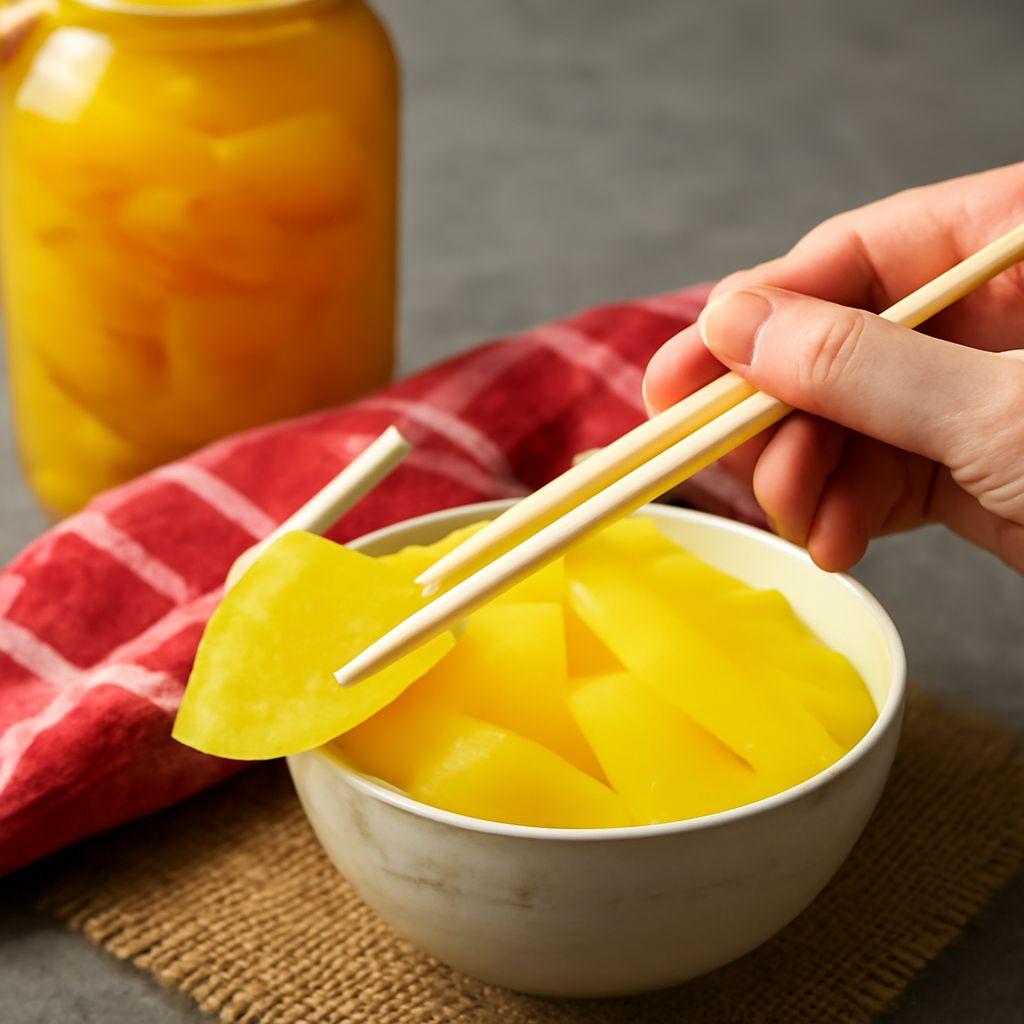
A simple pickled daikon radish recipe uses equal parts rice vinegar and water, plus sugar and salt. The standard ratio is one cup vinegar, one cup water, two tablespoons sugar, and one teaspoon salt per two cups of sliced daikon. Bring the brine to a simmer to dissolve the solids, then pour over thinly sliced daikon packed into a clean jar. The radish slices should be uniform, around an eighth of an inch thick, for even pickling. The jar can sit at room temperature for two hours before refrigerating, though overnight produces a sharper flavor. This pickled daikon radish recipe keeps in the fridge for up to three weeks. Adding a few slices of fresh ginger or a small dried chili shifts the flavor without complicating the process. The radish turns slightly translucent as it pickles, which signals it has absorbed the brine. Always use clean utensils when pulling pieces from the jar to prevent contamination.
Purple Daikon Radish: Color and Flavor Differences
Purple daikon radish is a less common variety with a vivid skin and sometimes a pink-tinged interior. Its flavor is similar to the standard white daikon but slightly sharper and more peppery. The purple color comes from anthocyanins, the same pigments found in red cabbage and blueberries. When pickled, purple daikon radish holds its color reasonably well in acidic brine, making it a visually striking garnish. It works well raw in salads where its color contrasts with green vegetables. Roasting purple daikon brings out a mild sweetness, and it can substitute in any recipe calling for regular daikon. The skin of purple daikon is thinner than some other radish varieties, so it does not always need to be peeled before use. Availability varies by region; farmers markets and specialty grocery stores carry it more often than standard supermarkets.
Daikon Radish Substitute Options
Finding a good daikon radish substitute depends on the dish. For raw applications like slaws or garnishes, jicama provides a similar crisp texture and mild flavor. Turnip works as a cooked daikon radish substitute and holds up well in braises and soups. For pickling, watermelon radish or regular red radishes can stand in, though they have a stronger bite. Kohlrabi is another option with a comparable crunch and mild taste. When the goal is to mimic daikon in Asian soups like miso or broth-based dishes, parsnip adds a slight sweetness that is not identical but functions similarly in texture. None of these options replicate daikon exactly, but each can fill the role in specific recipes. The best daikon radish substitute depends on whether texture, flavor, or visual appearance is the priority for a particular dish.
Growing Daikon Radish Sprouts at Home
Daikon radish sprouts are the seedlings harvested just after germination, typically within five to seven days. They have a mild, slightly spicy flavor and are used as garnishes for soups, sushi, and salads. Growing daikon radish sprouts at home requires only a jar, a mesh lid or cheesecloth, and daikon seeds labeled for sprouting. Rinse the seeds, soak them overnight in cool water, then drain and rinse twice daily. Keep the jar inverted at an angle in a bowl so water can drain freely. The sprouts are ready when they have small green leaves. Rinse thoroughly before eating. Daikon radish sprouts are rich in enzymes and have been studied for their sulforaphane content, a compound found in cruciferous vegetables. For those with compromised immune systems, cooked sprouts are safer than raw ones, as raw sprouts carry a small risk of bacterial contamination if not handled carefully.
Daikon Radish Keto Compatibility and Nutrition
Daikon radish keto suitability comes from its low carbohydrate content. A cup of raw daikon contains roughly three to four grams of net carbs, making it far lower in carbs than potatoes or other root vegetables. This is why daikon radish keto recipes have grown in popularity as substitutes for high-carb starches. Daikon can be spiralized to replace noodles, sliced thick to replace hash browns, or cubed to stand in for potatoes in stews. It is also a good source of vitamin C and folate. The fiber content helps with digestion without significantly impacting blood sugar. When roasted, daikon becomes tender and takes on a slightly caramelized exterior that satisfies the craving for something starchy without the carb load. Those counting macros should note that the carb content increases slightly when daikon is cooked due to water loss concentrating the sugars.