Nazgul: The Dark Riders of Middle-earth
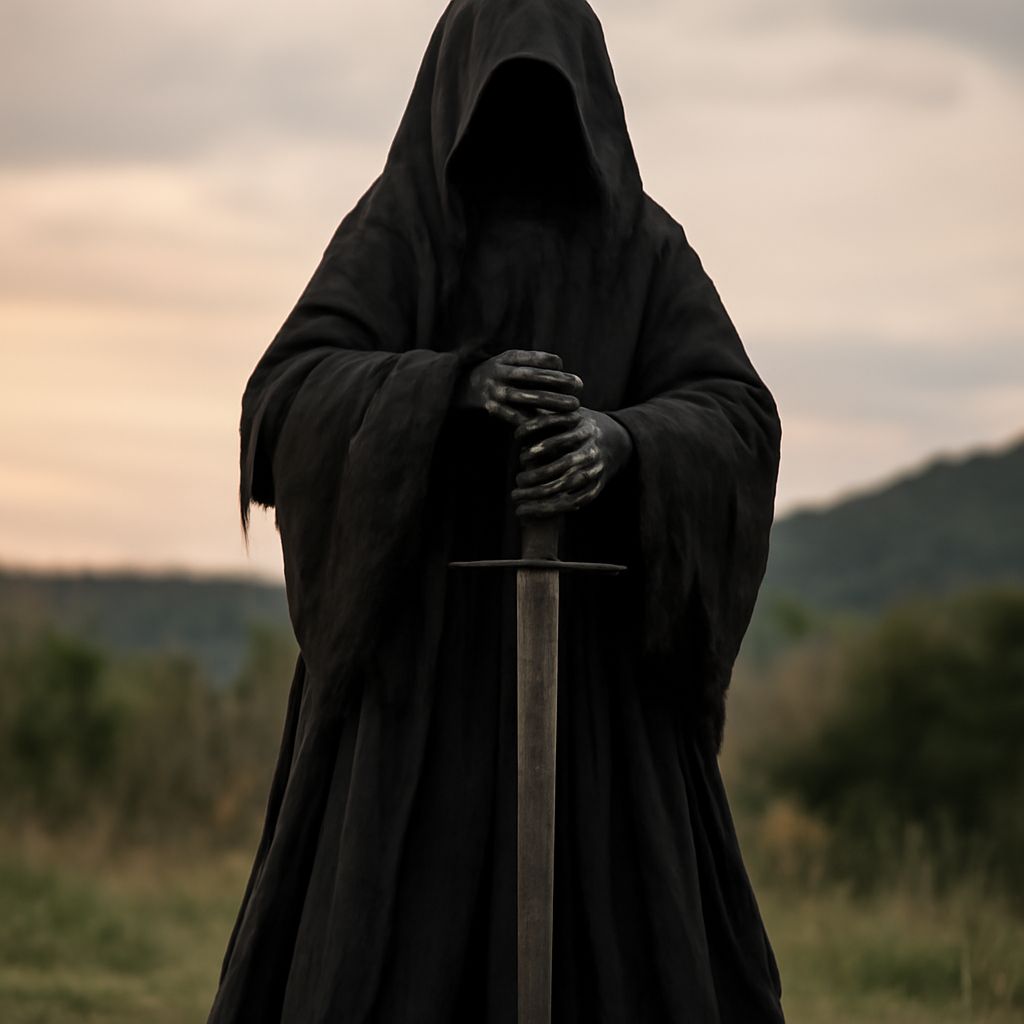
The Nazgul, also known as the Ringwraiths, are among the most iconic figures in J.R.R. Tolkien’s Middle-earth saga. Their eerie presence and relentless pursuit of the One Ring make them a focal point of the story. Understanding who are the Nazgul requires delving into their origins, roles, and the cultural impact they have had over the years. These enigmatic characters have been central to the narrative of “The Lord of the Rings,” serving as both formidable opponents and dark symbols of corruption. This exploration will shed light on the mysteries surrounding the Nazgûl and their everlasting influence on literary culture.
Introduction to the Nazgul
The Nazgul are shrouded in mystery and fear, cryptically introduced in Tolkien’s epic as the dark servants of the Dark Lord Sauron. They are spectral beings, once human kings, who were corrupted by the power of the Nine Rings given to them. Over time, the Nazgul became wraiths, losing their physical forms and becoming bound to the will of their master. They are relentless in their pursuit of the One Ring, a mission that defines their existence throughout “The Lord of the Rings.”
The Origins of the Nazgûl
The story of the Nazgûl begins with Sauron’s deceptive gift of the Nine Rings of Power to nine mortal kings. These men, consumed by the promise of power and immortality, fell under the sway of the rings which gradually eroded their wills. Eventually, they were transformed into the Ringwraiths, or Nazgul, eternally bound to Sauron’s will. The transformation into wraiths stripped them of their humanity, making them mere shadows of their former selves.
The Role of the Nazgul in The Lord of the Rings
The Nazgul play a critical role in “The Lord of the Rings,” embodying the ever-present threat of Sauron’s power. They are tasked with retrieving the One Ring, a mission that leads them to numerous confrontations with key characters such as Frodo and Aragorn. Their presence is felt from the Shire to the Battle of the Pelennor Fields. The Nazgûl’s spectral nature and ability to induce terror make them formidable adversaries, yet their reliance on Sauron represents the ultimate vulnerability of their existence.
Who Are the Nazgul: Understanding Their Powers
The Nazgul possess a range of terrifying powers that make them effective agents of Sauron. Their keen sense of smell for the One Ring and their ability to travel swiftly on both horseback and winged creatures make them relentless hunters. However, their powers come with limitations, such as their aversion to water and their vulnerability to powerful weapons and spells. The Nazgul’s most potent weapon is fear itself, capable of paralyzing their enemies. Despite their powers, the Nazgul are ultimately bound to the fate of the One Ring and Sauron’s dominion.
Cultural Impact of the Nazgul
The cultural impact of the Nazgul extends far beyond the pages of Tolkien’s work. They have become symbols of corrupted power and the consequences of unchecked ambition. In literary culture, the Nazgul are frequently referenced as archetypes of villainy and fear. Their influence can be seen in various adaptations of “The Lord of the Rings,” including films, games, and merchandise, where they continue to captivate audiences with their haunting presence and enigmatic nature. The Nazgûl stand as enduring figures within the fantasy genre, embodying the timeless struggle between good and evil.
Bottom line: The Nazgul, or Ringwraiths, are integral to the allure of Tolkien’s Middle-earth, embodying both the terror of lost humanity and the relentless pursuit of power. Their enduring presence in popular culture underscores their significance as symbols of fear and corruption in literary history. While their powers and limitations deepen their intrigue, it is their role in the narrative that leaves a lasting impact.