Understanding Kanji: A Deep Dive into Japanese Characters
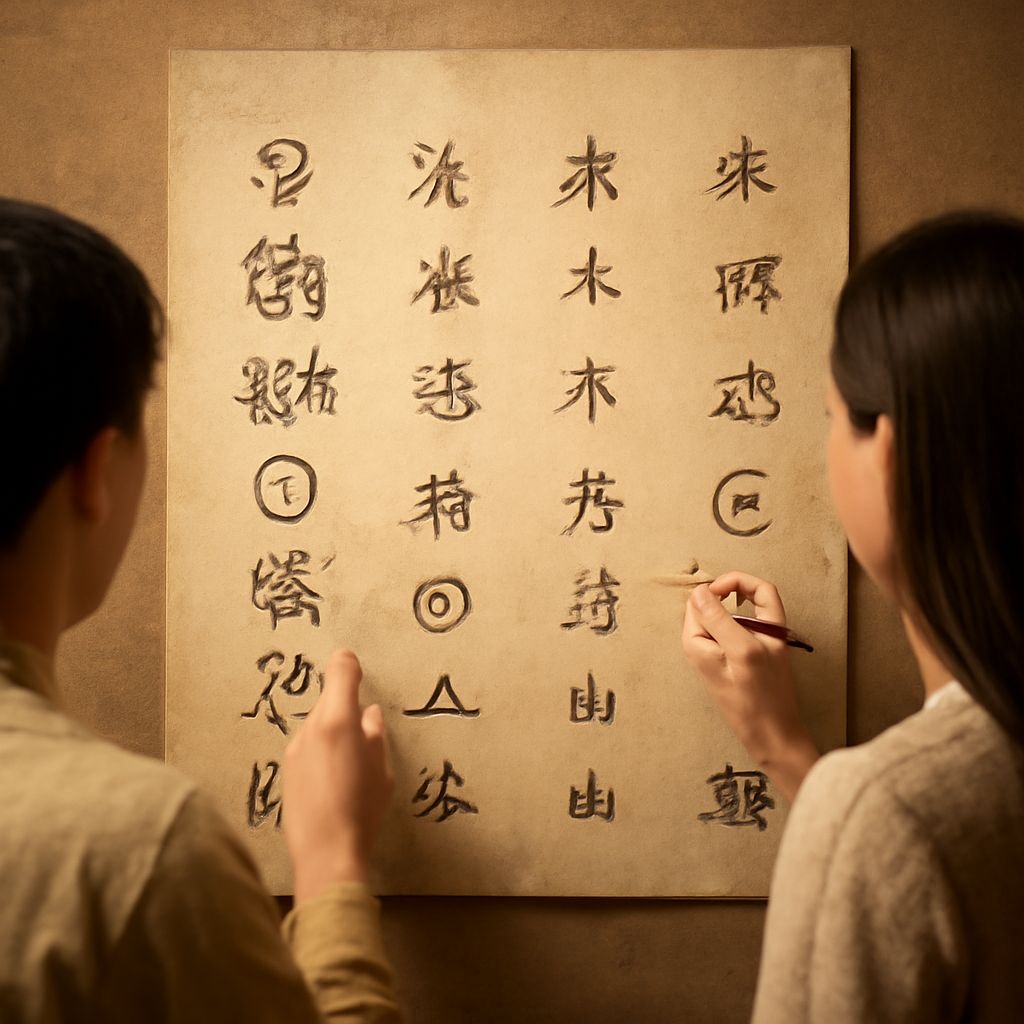
Kanji is a critical component of the Japanese writing system, deeply embedded in its culture and history. The question “how many kanji characters are there?” often arises among learners and enthusiasts delving into this intricate system of writing. While the exact number can vary depending on context, understanding kanji’s evolution and role offers insights into its complexity and beauty. This exploration will provide an overview of the kanji’s origin, its function within Japanese culture, and the challenges and methods involved in learning these characters.
Introduction to Kanji
Kanji characters are logographic symbols borrowed from Chinese script, forming a part of the trinity that constitutes the Japanese writing system, alongside hiragana and katakana. Each kanji represents not just a sound but an idea, adding layers of meaning to the language. This system allows for concise expression and rich interpretation, making it both a challenge and an art to master.
The Origin and Evolution of Kanji
Originally imported from China during the 5th century, kanji underwent significant adaptation to fit the Japanese language. Over centuries, these characters evolved, with some maintaining their traditional forms while others were simplified. This evolution reflects a blend of influence and innovation, showcasing Japan’s ability to adapt foreign elements into its unique cultural tapestry.
How Many Kanji Characters Are There?
Determining “how many kanji characters are there” is complex. Estimates suggest there are around 50,000 kanji, yet only about 2,000 are commonly used in daily life. The Japanese government has an official list called the Jōyō kanji, which includes 2,136 characters essential for literacy. This list aids in standardizing education and communication, ensuring both consistency and comprehension across the nation.
Beyond the Jōyō kanji, specialized fields like medicine or law may employ additional characters, requiring professionals to expand their kanji repertoire. For language learners, prioritizing these 2,000 core characters can provide a practical and effective path toward literacy.
The Role of Kanji in Japanese Culture
Kanji plays a vital role not just in language but also in Japanese culture. These characters are deeply intertwined with cultural practices such as calligraphy, where the aesthetic writing of kanji is celebrated as an art form. The symbolic meanings associated with kanji are also prominent in names, poetry, and traditional rituals, reflecting values and heritage through visual language.
Moreover, kanji’s influence extends to the digital age, where it continues to enrich communication and maintain cultural continuity. Its presence in media, literature, and everyday communication underscores its enduring significance.
Learning and Mastering Kanji
Learning kanji requires dedication and strategy, often involving rote memorization and practical application. Techniques such as spaced repetition, context usage, and mnemonic devices are popular among learners. Digital tools and applications also offer interactive ways to practice and master these characters.
While kanji can be daunting due to its volume and complexity, breaking down learning into manageable segments and embracing a consistent study routine can lead to mastery. It’s important to balance study with cultural exploration to appreciate both the functional and aesthetic facets of kanji.
In summary, exploring “how many kanji characters are there” opens a gateway to understanding the depth and breadth of Japanese writing and culture. As one navigates this intricate system, kanji offers not only a linguistic challenge but also an invitation to delve into the rich history and cultural expressions of Japan.