Phillis Wheatley: A Literary Pioneer
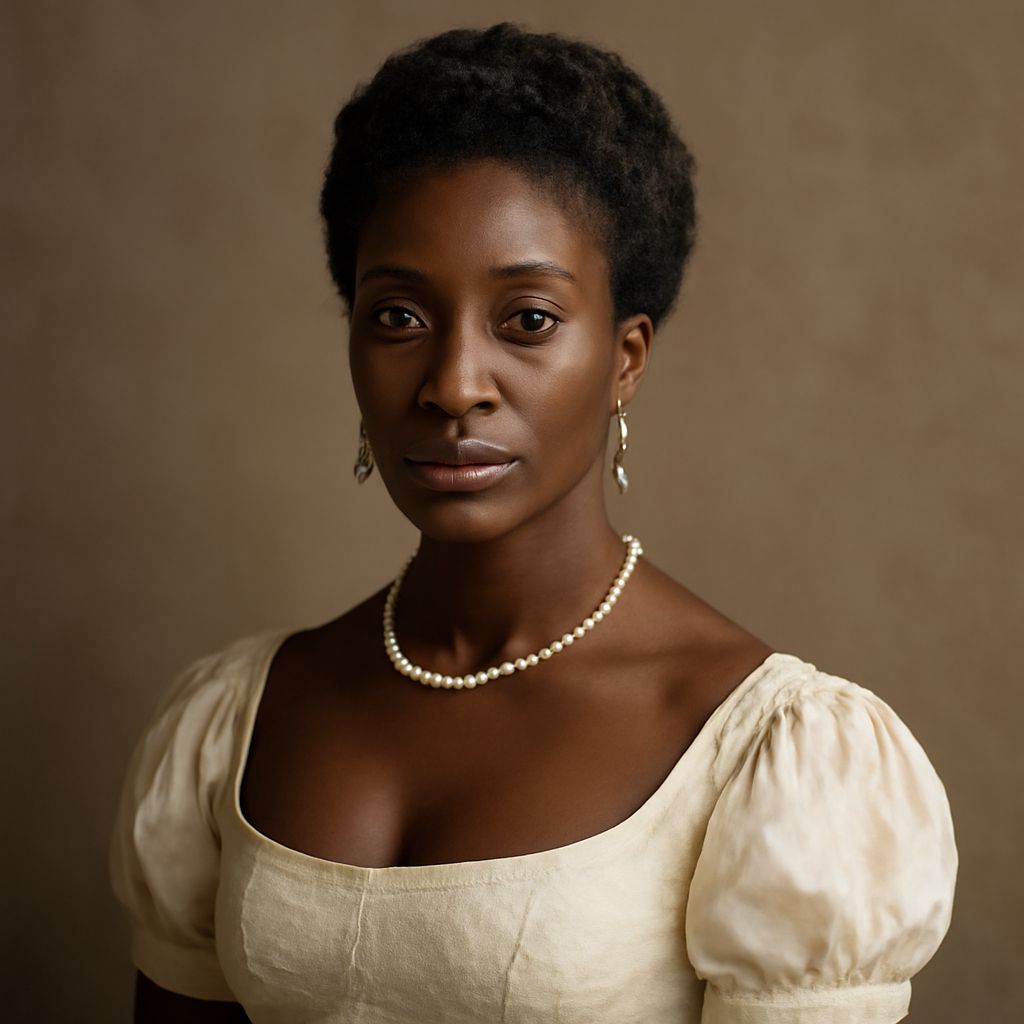
Phillis Wheatley stands as a remarkable figure in literary history, known for her profound impact as an African American poet in Colonial America. Despite the constraints of her time, including her status as an enslaved person, she became a trailblazer, leaving behind a legacy that continues to inspire. This article explores who was Phillis Wheatley, delving into her early life, literary contributions, and lasting legacy. As a pioneer in literary culture, Wheatley’s story is one of resilience and exceptional talent.
Introduction to Phillis Wheatley
Phillis Wheatley’s journey began in the late 18th century when she was brought to America as a child. Her remarkable talents were soon recognized by the Wheatley family, who provided her with an education unusual for an enslaved person of her time. This foundational support allowed her to explore and develop her literary skills, leading to her emergence as one of the first African American poets to gain prominence. Wheatley’s ability to express complex themes through her poetry has cemented her place in literary history.
Phillis Wheatley’s Early Life
Born in West Africa, Phillis Wheatley was captured and sold into slavery at a tender age. She was purchased by the Wheatley family in Boston, Massachusetts, who recognized her intellectual potential. Her education comprised reading and writing, as well as studying the Bible and classics, which shaped her literary voice. This unique upbringing played a crucial role in her development as a poet, allowing her to articulate the nuances of her experiences and the world around her.
Literary Contributions of Phillis Wheatley
Major Works
Phillis Wheatley’s major works include her book “Poems on Various Subjects, Religious and Moral,” published in 1773. This collection was groundbreaking as it was the first book of poetry published by an African American in Colonial America. Her work often interwove themes of religion, morality, and personal liberty, reflecting the complexities of her life as both a poet and an enslaved woman. Wheatley’s poems, such as “On Being Brought from Africa to America,” reveal a profound understanding of identity and resilience.
Influence on Literary Culture
Wheatley’s influence on literary culture extended beyond her immediate contributions. Her ability to write with elegance and depth challenged prevailing notions of race and intellect during her time. By gaining recognition in both American and European literary circles, Wheatley helped pave the way for future African American writers. Her work demonstrated that African Americans could produce literary works of great merit, contributing significantly to the broader cultural landscape.
Legacy of Phillis Wheatley
The legacy of Phillis Wheatley endures as a testament to her pioneering spirit and literary genius. She broke significant racial and gender barriers, inspiring generations of poets and writers. Wheatley’s life and work continue to be studied and celebrated, highlighting the resilience of the human spirit and the power of words to transcend oppressive circumstances. Her contributions underscore the importance of diversity in literary culture and the enduring impact of her voice.
Next steps: Engaging with Phillis Wheatley’s poetry provides a deeper understanding of her historical context and contributions. Readers are encouraged to explore her works and consider their themes in the broader narrative of American literature. Maintenance of her legacy involves continued scholarship and reflection on her influence, ensuring her story remains an integral part of cultural heritage.