To Thine Own Self Be True: Unpacking Its Meaning and Origin
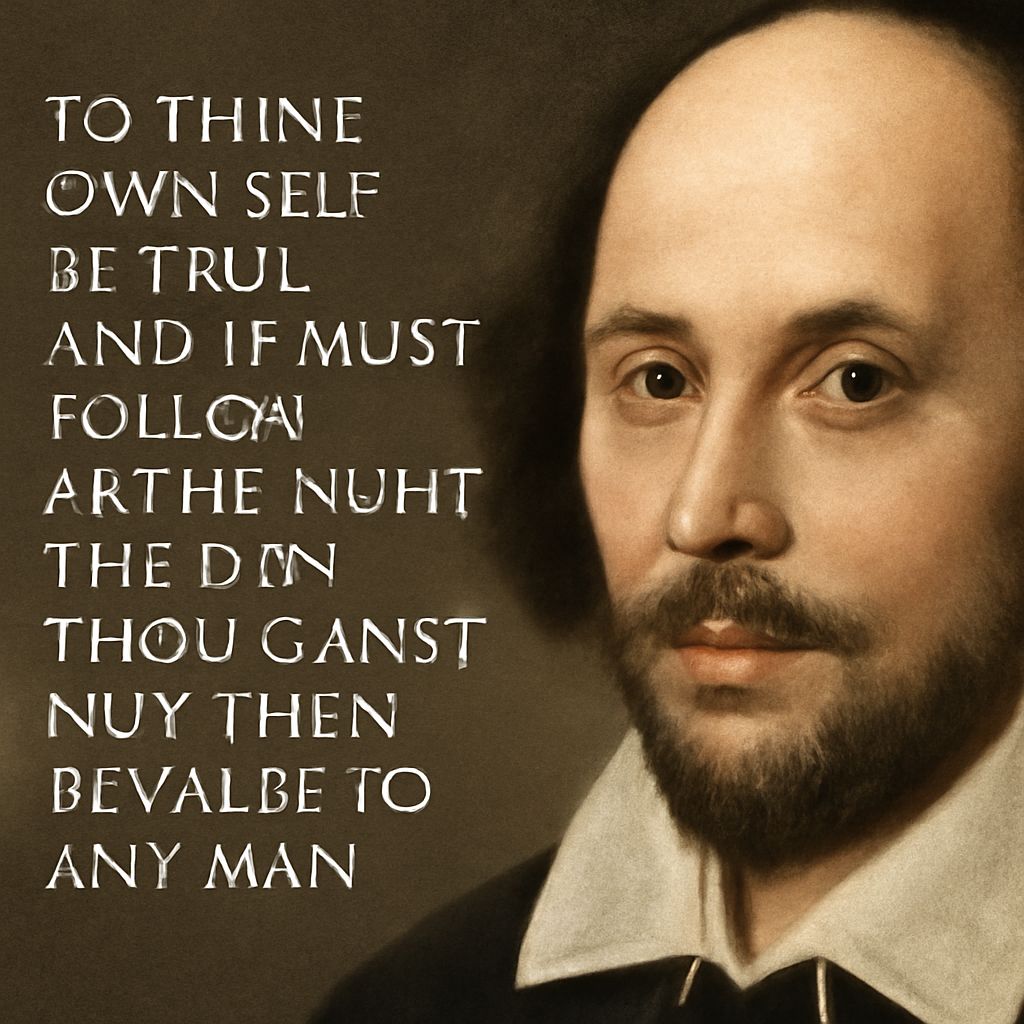
The phrase “To thine own self be true,” often attributed to Shakespeare, carries timeless wisdom that continues to resonate in modern literary culture. This adage, rich with philosophical depth, invites reflection on personal integrity and authenticity. Understanding who said “To thine own self be true” and the meaning behind the quote provides insight into its enduring cultural impact. As society evolves, the phrase maintains relevance, adapting to contemporary interpretations while holding firm to its original essence. This article delves into the origins, significance, and modern interpretations of this iconic quote, examining its lasting place in our collective consciousness.
The Origin of ‘To Thine Own Self Be True’
The origin of the phrase “To thine own self be true” is deeply embedded in literary history. It first appeared in William Shakespeare’s play “Hamlet,” spoken by the character Polonius in Act 1, Scene 3. These words are part of a set of paternal advice given to Polonius’s son, Laertes, before he departs for France. The phrase, set within the context of Renaissance literature, reflects the era’s emphasis on individual moral responsibility and personal authenticity.
Who Said ‘To Thine Own Self Be True’?
The question of who said “To thine own self be true” can be answered by looking at the character of Polonius in “Hamlet.” As the father of Laertes and Ophelia, Polonius is portrayed as a somewhat pedantic and verbose courtier. Despite his often comedic portrayal, this particular piece of advice has transcended its source, becoming a standalone principle in discussions about self-awareness and integrity. The attribution to Shakespeare, a master of capturing the human condition, underscores the phrase’s literary significance.
The Meaning Behind the Quote
The meaning behind the quote “To thine own self be true” is multifaceted. Primarily, it emphasizes the importance of personal integrity and staying true to one’s values and beliefs. In the context of the play, Polonius advises Laertes to be honest with himself as a foundation for all other actions. This directive suggests that self-awareness is key to forming genuine relationships and making ethical decisions. It implies that only by understanding and being true to oneself can one act honorably towards others.
Cultural Impact of ‘To Thine Own Self Be True’
Over the centuries, the phrase “To thine own self be true” has permeated various aspects of cultural discourse. It appears in literature, philosophy, and popular media as a call to uphold personal authenticity against societal pressures. Its cultural impact is evident in its frequent use in motivational contexts, urging individuals to prioritize internal truth over external conformity. The adage has been embraced by movements advocating for psychological and spiritual well-being, further solidifying its place in the cultural lexicon.
Modern Interpretations of the Adage
In modern times, “To thine own self be true” continues to inspire diverse interpretations. It is often invoked in discussions about identity, self-expression, and mental health, encouraging individuals to pursue paths that align with their true selves. This contemporary application highlights the phrase’s adaptability to new contexts, such as social media dynamics and personal branding. However, it also serves as a reminder to balance authenticity with empathy and responsibility towards others. Individuals are urged to discern their core values and remain steadfast, yet flexible, in their pursuit of truth and integrity.
When engaging with the wisdom of “To thine own self be true,” one should be mindful of the potential pitfalls of uncompromising self-interest. While valuing personal authenticity is essential, cultivating empathy and understanding towards others forms the basis of a harmonious society. As such, this adage remains a powerful tool for introspection and personal growth, fostering a culture that values both individual authenticity and collective responsibility.