Ozymandias Poem: A Timeless Reflection on Power
The “Ozymandias” poem by Percy Bysshe Shelley is a brilliant reflection on the ephemeral nature of power and legacy. This masterpiece delves into the inevitable decay that time brings, even to the mightiest of rulers. With its famous line, “Look upon my works ye mighty and despair,” Shelley encapsulates the hubris of leaders who believe their legacy is indestructible. “My name is Ozymandias” resonates with irony as the poem unfolds, showcasing the stark contrast between the ruler’s pride and the reality of time’s erosion.
Introduction to Ozymandias Poem
Written in 1818, the “Ozymandias” poem by Percy Bysshe Shelley remains a timeless commentary on the transient nature of human achievements. Through the powerful imagery and vivid language, Shelley invites readers to reflect on the inevitable decline of all earthly power. The poem’s central message, conveyed through the crumbled statue of a once-great king, serves as a reminder of the humility that all leaders should embrace. By examining the famous line, “Look upon my works ye mighty and despair,” readers can delve into the poem’s profound critique of pride and ambition.
The Historical Context of Ozymandias by Percy Bysshe Shelley
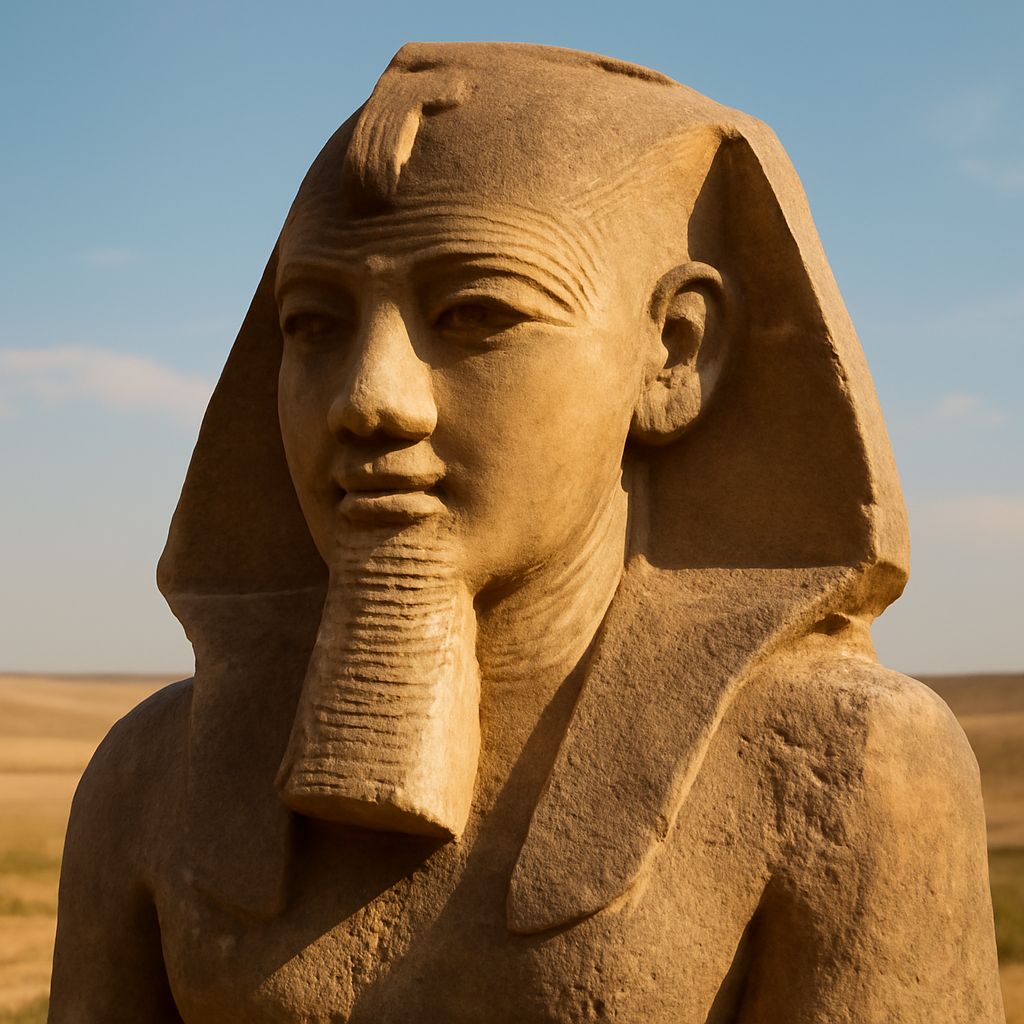
During the early 19th century, when Shelley composed this work, Europe was experiencing significant political upheavals. The poem’s backdrop is inspired by the discovery of a statue of the pharaoh Ramses II, known in Greek as Ozymandias. Shelley’s contemporaries were fascinated by ancient Egypt’s grandeur and the seemingly eternal empires. However, the “Ozymandias” poem unravels this fascination by highlighting how even the most seemingly eternal works can fade into obscurity. This historical insight adds richness to the poem, bridging past and present concepts of power and decay.
Analyzing the Line: Look Upon My Works Ye Mighty and Despair
The line “Look upon my works ye mighty and despair” serves as the poem’s fulcrum, exuding irony and futility. Ozymandias, the once-great king, commands admiration for his achievements, expecting them to inspire awe and envy even in mighty rulers. Yet, the barren desert and the dilapidated statue reveal the true legacy of his reign—a stark reminder of the impermanence of human endeavors. This line encapsulates the poem’s central theme, using Ozymandias’ colossal hubris to reflect the inevitable decline of all power.
Themes and Symbolism in My Name Is Ozymandias
The phrase “My name is Ozymandias” symbolizes a declaration of pride and authority. Through this, Shelley explores themes of arrogance and the futile pursuit of immortality. The shattered visage and the pedestal’s inscription serve as poignant symbols of the disconnect between human ambition and the relentless march of time. By juxtaposing Ozymandias’ commanding presence with the desolate setting, Shelley reinforces the idea that all human achievements are ultimately subject to the ravages of time.
Conclusion: The Legacy of Ozymandias Poem
The “Ozymandias” poem endures as a powerful reflection on the nature of legacy and the hubris of power. Percy Bysshe Shelley’s exploration of these themes through vivid imagery and thought-provoking symbolism continues to captivate readers. The poem’s timelessness lies in its ability to caution against the arrogance of power and the illusion of permanence. As modern societies continue to grapple with these themes, the poem remains a relevant and insightful contemplation on the human condition, urging humility and introspection in the face of inevitable change.