Mexican Language: An Exploration of Linguistic Diversity
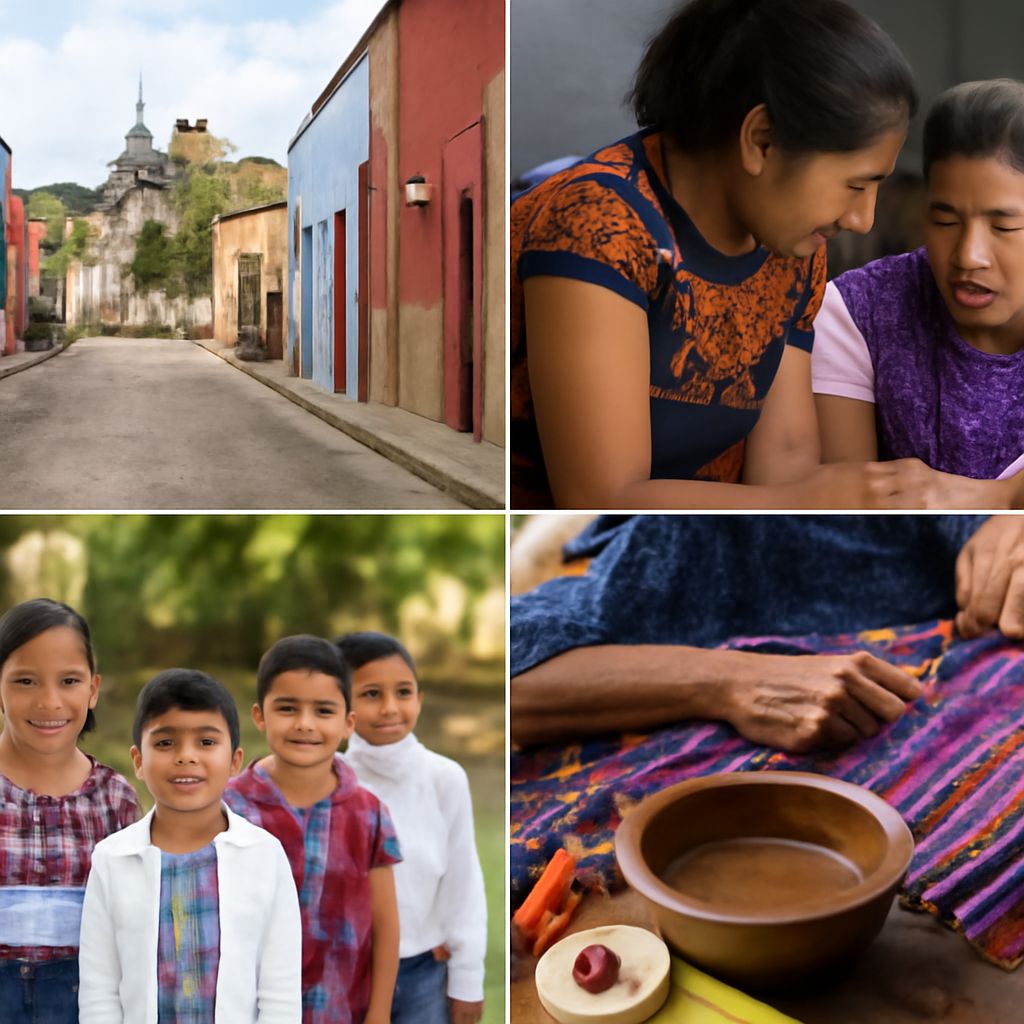
What language do Mexicans speak? This question often arises due to the rich linguistic tapestry in Mexico, where the Mexican language landscape is characterized by a blend of Spanish and numerous indigenous languages. While Spanish stands as the dominant language, many Mexicans communicate daily in indigenous tongues, reflecting the country’s diverse cultural heritage. Understanding this linguistic diversity is vital for appreciating Mexico’s cultural richness.
The Mexican language scene is not just about Spanish; it includes a variety of indigenous languages that have persisted for centuries. These languages contribute significantly to Mexico’s cultural identity and are an essential part of the nation’s heritage. As we explore the different languages spoken in Mexico, we will gain insights into their historical backgrounds, current roles, and future prospects.
Introduction to Mexican Language
Mexico is a country with a rich linguistic heritage, where languages serve as a bridge between the past and the present. This diversity is mirrored in the myriad languages spoken across its regions, each contributing to the national tapestry. The Mexican language landscape is a testament to the country’s historical and cultural complexity.
Historical Overview of Languages in Mexico
The history of languages in Mexico dates back thousands of years. Prior to the Spanish conquest, a multitude of indigenous languages flourished. These languages, including Nahuatl, Mayan, and Zapotec, formed the linguistic foundation of pre-Columbian civilizations. The arrival of the Spanish in the 16th century marked the beginning of a significant linguistic shift, with Spanish gradually becoming the dominant language across the country.
Spanish: The Predominant Language
Today, Spanish is the predominant language spoken in Mexico, used by the majority of the population in daily communication, education, and government. This widespread usage stems from its historical imposition during the colonial period. Despite this dominance, Spanish coexists with numerous indigenous languages, each contributing uniquely to Mexico’s cultural fabric.
The influence of Spanish on indigenous languages is evident in the borrowing of words and phrases, enriching the vocabulary of the Mexican language. This cultural blending highlights the dynamic nature of language in Mexico.
The Role of Indigenous Languages
Indigenous languages play a crucial role in preserving cultural identity and traditions for many communities in Mexico. Despite the dominance of Spanish, more than 60 indigenous languages are actively spoken, each with its unique linguistic structure and cultural significance. These languages are vital in maintaining the cultural heritage of indigenous groups.
Efforts to preserve and revitalize indigenous languages are underway, with the Mexican government and various organizations promoting bilingual education and cultural initiatives. These efforts aim to ensure that indigenous languages continue to thrive alongside Spanish.
The Future of Language Diversity in Mexico
The future of language diversity in Mexico promises both challenges and opportunities. As globalization and urbanization continue to influence linguistic trends, the preservation of indigenous languages becomes increasingly important. Language policies and educational programs play a pivotal role in safeguarding this cultural treasure.
Technological advancements and digital platforms offer new avenues for promoting indigenous languages, allowing them to reach wider audiences and integrate into modern communication methods. This evolution represents a hopeful path towards sustaining Mexico’s linguistic diversity.
In exploring what language do Mexicans speak, it becomes clear that the answer is a complex tapestry of historical influences and cultural expressions. As Mexico navigates its linguistic future, the interplay between Spanish and indigenous languages will remain a defining feature of its cultural identity.