How to Write Sounds Effectively in Your Story
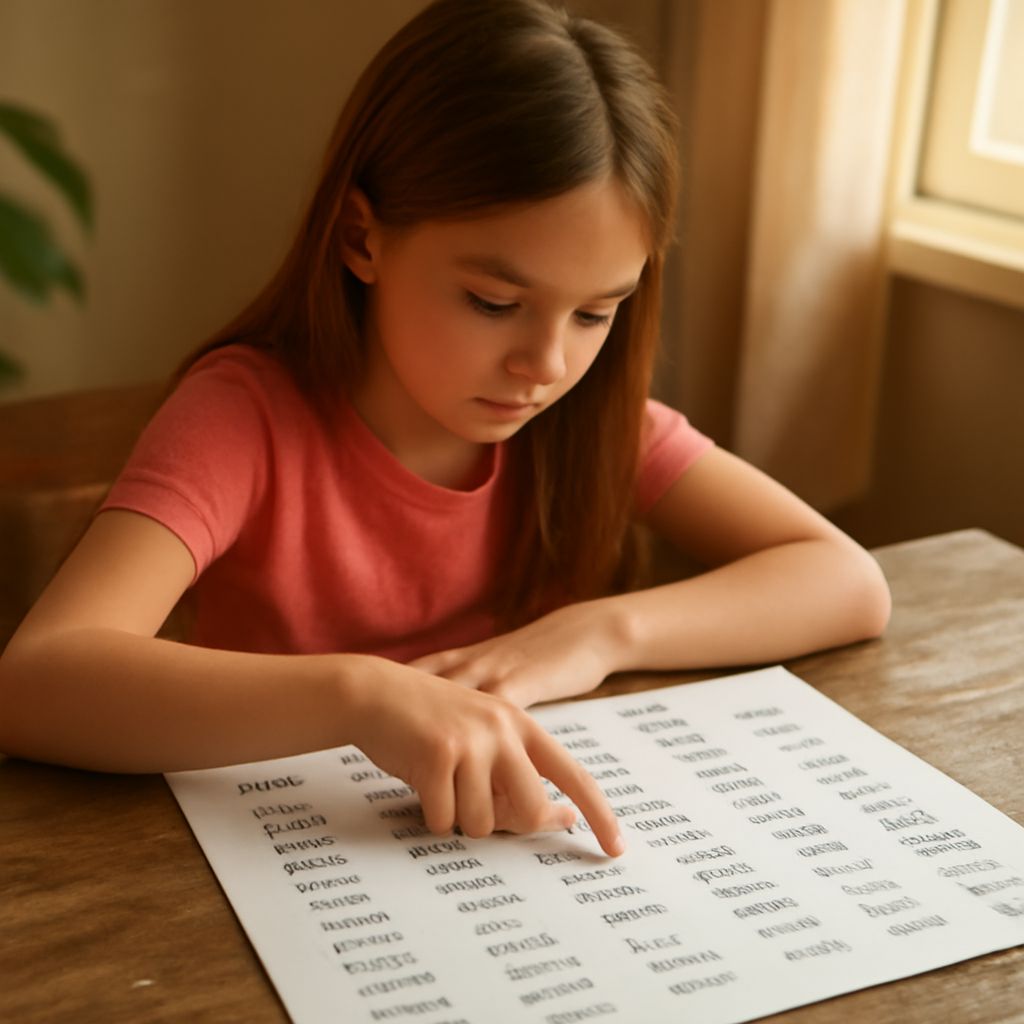
Writing is an art that calls for vivid imagery and sensory details to captivate readers. One effective technique is the use of onomatopoeia. Understanding how to write sounds not only breathes life into a narrative but also immerses readers in the story’s atmosphere. This article explores various strategies to enhance your writing with an onamonapia list, ensuring your story resonates with auditory vibrancy.
Understanding Onomatopoeia
Onomatopoeia refers to words that phonetically imitate the sounds they describe. Words like “buzz,” “clang,” and “sizzle” provide readers with an immediate auditory experience. This linguistic tool allows writers to convey sensory experiences directly, creating a soundscape that enhances the narrative world.
These sound words bridge the gap between the reader’s imagination and the physical world, making scenes more tangible and engaging. By mastering onomatopoeia, writers can add depth and realism to their storytelling.
Why Use Onomatopoeia in Writing
The primary reason to incorporate onomatopoeia in writing is to create a visceral connection with readers. Sounds evoke emotions and reactions, drawing readers into the moment. Whether it’s the “crash” of waves or the “whisper” of leaves, these words evoke a sensory response.
Furthermore, onomatopoeia can enhance pacing and mood. The rhythm of a “thud” or the suddenness of a “snap” can alter the flow of a narrative, adding tension or relief precisely where needed. This technique helps in crafting scenes that linger in the reader’s mind.
How to Write Sounds: Techniques and Tips
When learning how to write sounds, it’s crucial to choose words that match the tone and genre of your story. Consider the context: a “roar” might suit an action-packed scene, while a “murmur” fits a quiet, introspective moment.
Experiment with variations and combinations of sounds to create unique effects. The repetition of an onomatopoeic word can amplify its impact, as in “drip, drip, drip,” emphasizing persistent or repetitive actions. Incorporating an onamonapia list specific to your story can streamline this process.
Creating an Onamonapia List for Your Story
Developing an onamonapia list tailored to your narrative can serve as a valuable reference. Start by identifying key sounds that are central to your story’s setting and events. This list can include everything from ambient noises, like “rustle” or “hum,” to character-specific sounds, such as a “guffaw” or a “grunt.”
A curated list ensures consistency and helps maintain the story’s auditory theme. It acts as a ready arsenal for adding auditory imagery wherever needed, enhancing the reader’s immersion.
Examples of Onomatopoeia in Literature
Literature is rich with examples of onomatopoeia that bring stories to life. In Edgar Allan Poe’s “The Bells,” the repetition of “tinkle” and “clang” encapsulates the poem’s rhythmic and musical nature. Similarly, in comic books, the iconic “pow” and “bam” are used to convey action dynamically.
Such examples highlight the versatility and power of sound words to enhance storytelling. They demonstrate that when used effectively, onomatopoeia can transform mere descriptions into memorable, sensory experiences.