Social Skills Activities: Building Communication and Confidence in Kids
Developing strong interpersonal abilities from a young age lays the groundwork for a child’s future success both academically and within their broader community. Social skills activities offer children valuable opportunities to build relationships, solve problems, and work collaboratively, enhancing their general culture and adaptability. Equally, communication activities for kids provide structured ways to practice expressing emotions, understanding others, and navigating group situations with confidence.
This article explores the significance of social skills activities and communication activities for kids, highlighting their impact on confidence, empathy, and emotional intelligence. Readers will find practical ideas and proven strategies to strengthen these essential skills within daily routines—at home, in classrooms, or in group settings.
Understanding the Importance of Social Skills Activities
Social skills activities are deliberately designed experiences that help children navigate interactions with peers and adults. By participating in these activities, kids practice essential life skills such as sharing, listening, cooperating, and resolving conflicts. These early experiences are instrumental in shaping how children interpret social cues and respond to challenges in diverse environments.
The focus on building social competence goes beyond making friends. When children engage in structured group games, collaborative art projects, or guided discussions, they learn to manage frustration, assert themselves respectfully, and appreciate different viewpoints. Over time, the benefits extend to academic performance and self-esteem as children grow more comfortable in varied social situations.
Research consistently links positive social experiences during childhood with improved mental health and adaptability in adulthood. Recognizing these long-term outcomes, educators and caregivers alike are increasingly prioritizing social skills activities alongside traditional academic curricula, fostering holistic development for every child.
It’s important to remember that all children progress at different rates. Providing a safe, supportive space allows for natural growth without undue pressure.
Key Benefits of Communication Activities for Kids
Communication activities for kids directly support the development of effective verbal and non-verbal interaction skills. Through playful exercises like storytelling, role-playing, and group discussions, children learn to articulate their thoughts, listen actively, and interpret body language. These skills are foundational for building strong relationships and expressing needs or concerns clearly.
Regular practice with communication activities for kids encourages emotional awareness. Children become more adept at expressing feelings appropriately, which can reduce misunderstandings and conflict. Improved communication also fosters empathy, as kids learn to recognize perspectives different from their own.
Beyond immediate social circles, strong communication skills prepare children for academic presentations, community involvement, and later professional situations. The ability to negotiate, compromise, and provide constructive feedback is essential in almost every aspect of life. By embedding communication skill-building into everyday learning, adults equip children for both present and future challenges.
While encouraging open dialogue, it is vital to respect each child’s comfort levels. Some may need gradual exposure or extra encouragement to participate fully, and patience is key.
Popular Social Skills Activities to Try at Home or School
Engaging children in interactive social skills activities can be both fun and effective. Classic favorites like “Feelings Charades” allow kids to act out emotions, helping peers identify and discuss different moods. Board games that require turn-taking, teamwork, and negotiation—such as cooperative puzzles or group strategy games—offer natural platforms for practicing essential social skills.
For slightly older children, group storytelling or debate circles promote clear communication and respectful listening. These activities allow kids to present their ideas, respond to others, and practice staying on topic. Partner interviews encourage curiosity about peers while strengthening question-and-answer exchanges.
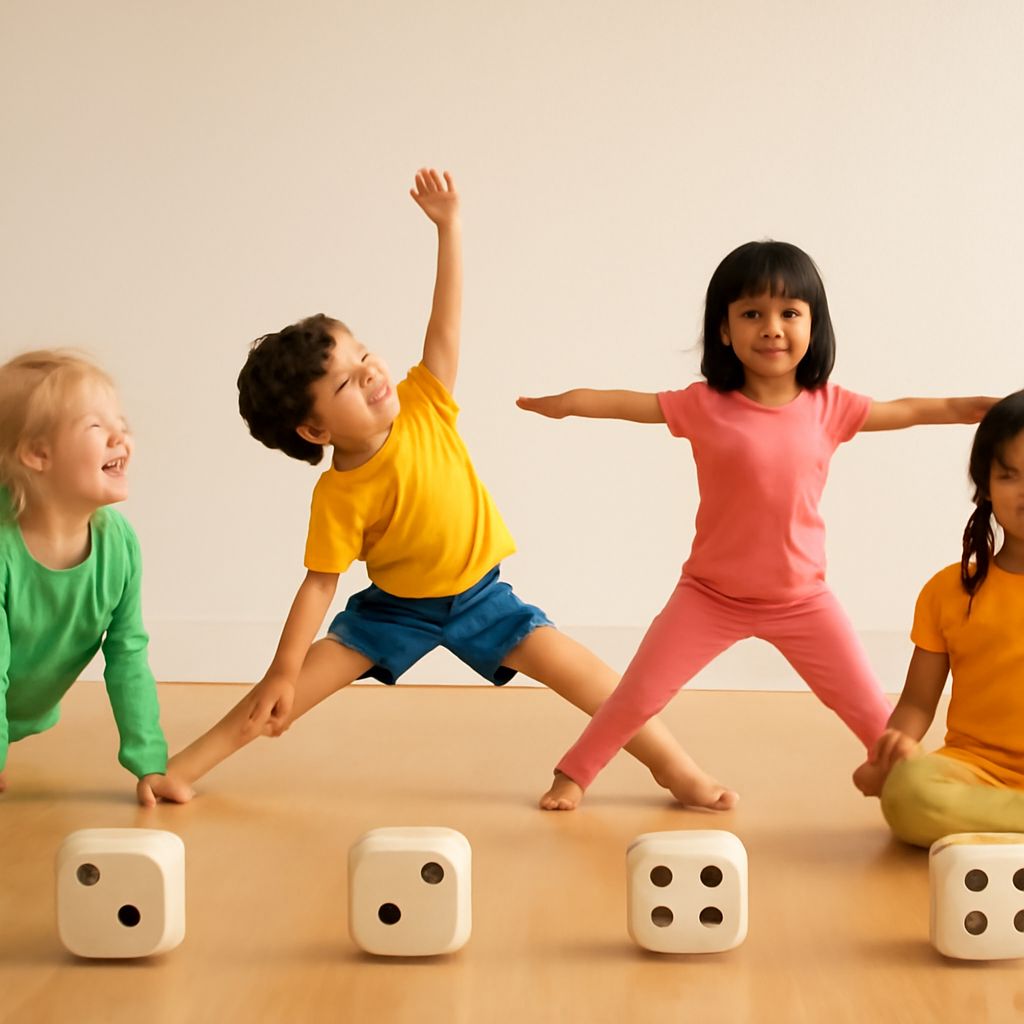
Active games such as “Simon Says” or relay races can reinforce following directions and paying attention to group leaders. For those who enjoy creative tasks, collaborative art or building projects provide opportunities for shared decision-making and compromise.
Adults should observe group dynamics to ensure inclusivity and guide children through any disagreements. If activities involve sharp objects or physical movement, basic safety reminders help promote a secure environment.
Integrating Communication Activities for Kids Into Daily Routines
Incorporating communication activities for kids into everyday life makes social learning seamless. Simple routines like family meals or class circle time become opportunities for children to practice sharing stories, asking questions, and listening to others’ experiences. These informal settings help normalize open dialogue and encourage ongoing practice.
Caregivers and educators can facilitate communication skill-building by modeling positive interaction—using polite language, making eye contact, and acknowledging different opinions. Setting aside time for daily check-ins, “feelings corners,” or gratitude sharing allows children to express themselves in a structured way.
Incorporating social skills activities into transitions, such as greeting classmates or thanking helpers, reinforces respectful behavior. Even brief moments—like resolving disagreements over toys or discussing team roles—present valuable chances to practice communication techniques.
By making these activities a regular part of routines, children can gradually build confidence in expressing their thoughts and navigating social scenarios, leading to smoother relationships and greater self-assurance over time.
Fostering a Supportive Environment for Social Growth
The home, classroom, or community environment plays a crucial role in the effectiveness of social skills activities. Children thrive when expectations are clear and mistakes are treated as learning experiences. Encouraging positive reinforcement, offering specific praise, and providing gentle guidance during group tasks all contribute to a nurturing atmosphere.
Collaboration between adults and children is key—inviting kids to help set ground rules for communication and group participation increases their investment and sense of belonging. Consistent routines, clear boundaries, and patient support give children space to experiment with new skills without fear of judgment.
Facilitating open conversations about emotions or conflicts helps normalize challenges and teaches constructive problem-solving. When adults demonstrate empathy and flexibility, children are more likely to mirror these behaviors in their own interactions.
By valuing each child’s unique pace and celebrating progress, caregivers and educators lay a foundation for lasting social competence and resilience.
Bottom line: Focusing on social skills activities and communication activities for kids fosters cooperation, confidence, and adaptability. With regular practice and a supportive environment, children develop essential life skills that enrich their general culture and prepare them for future success.