Trol Legends: What Are Trolls in Culture and Stories
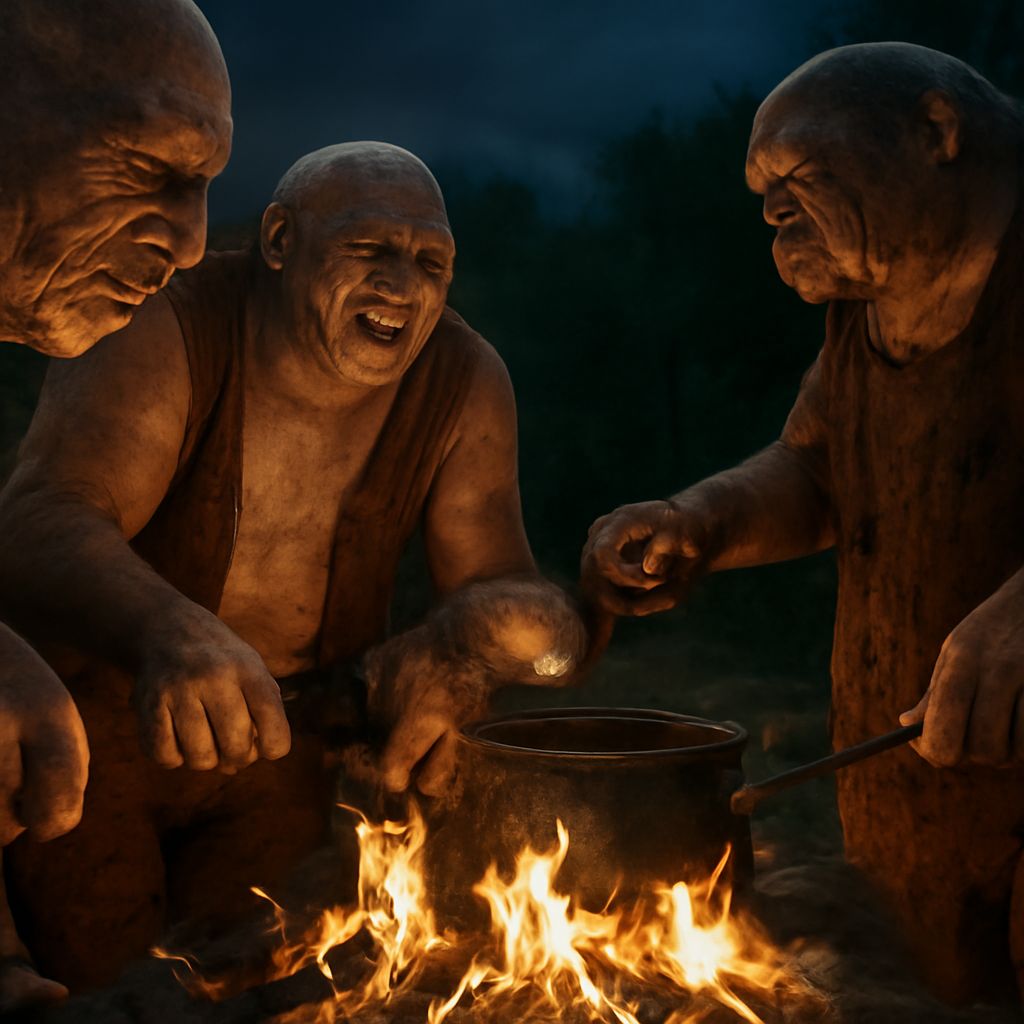
Trol legends have long captured imaginations, blending mystery, fear, and fascination. The question, “What are trolls?” echoes through centuries of storytelling, from ancient Scandinavian myths to vibrant contemporary genres. These creatures, often portrayed as menacing or comical, reveal deep insights about the cultures that invented them and the stories they inspire. Whether lurking under bridges or guarding hoards, trol figures occupy a unique place in both traditional tales and modern narratives.
To explore the enduring appeal of the trol, it is essential to understand their origins, appearances in folklore, and cultural transformations. By examining what are trolls in mythology and how these beings have been reimagined in literature and media, one can gain a richer appreciation for their thematic roles and lasting presence. This article traces their journey from the forests of Norse legend to the screens and pages of today’s stories, highlighting the symbols and meanings woven into their mythos.
The Meaning and Origins of the Trol
The term trol often refers to a supernatural being rooted in Scandinavian and broader European traditions. Early texts describe trolls as elusive inhabitants of rugged mountains, deep forests, or isolated caves, set apart from human society. Their physical traits vary widely between accounts: some are massive and grotesque, with multiple heads or tails, while others resemble humans but possess an otherworldly aura. The common thread is their connection to wild or liminal spaces—places that evoke both danger and wonder.
Scholars believe the word “trol” likely derives from Old Norse, where it carried meanings ranging from “giant” to “demon.” In early folklore, these beings were not always evil; they were unpredictable, embodying both threat and the untamed magic of nature. Over time, stories increasingly emphasized their antagonistic roles, cementing their status as obstacles or tests for heroes.
Partial references to the trol’s origins also appear outside Scandinavia, in Scottish and Germanic tales, where similar creatures guard sacred or forbidden places. These shared motifs reflect deep anxieties and hopes about the unknown, as well as the boundaries between civilization and wildness.
What are trolls often depends on the storyteller’s intent: sometimes monstrous, sometimes pitiable, and occasionally wise. This ambiguity has allowed the mythology to evolve and adapt across genres and generations.
What Are Trolls in Folklore and Myths
Throughout European folklore, what are trolls is shaped by local traditions, storytelling customs, and societal fears. In Norwegian sagas, trols may transform into stone at sunlight, a motif symbolizing the triumph of light over darkness. These legends highlight their vulnerability and reinforce their separation from human realms. Danish and Swedish folk stories, meanwhile, describe trolls as both tricksters and formidable adversaries, capable of both violence and magic.
In Icelandic sagas, the trol sometimes appears in hybrid forms, blending features of elves or other spirits. Such tales blur distinctions and suggest a fluid boundary between supernatural beings. Paraphrases in other cultures describe similar figures—giant ogres, bridge keepers, or mountain dwellers—demonstrating the widespread resonance of these archetypes.
Narratives about what are trolls often serve as cautionary tales, warning against venturing too far from home or disrespecting sacred places. Yet they can also express fascination with mystery and the unknown, offering fantastical explanations for natural phenomena or unexplainable events.
Despite regional differences, a partial consensus emerges: trols are outsiders, powerful yet isolated, embodying fears and hopes that persist in folklore’s evolving landscape.
Trols in Modern Culture
The trol has undergone significant transformation in modern culture, appearing in literature, film, television, and even digital genres. Fantasy works such as Tolkien’s “The Hobbit” and “The Lord of the Rings” reimagined trolls as lumbering giants, drawing on but modifying traditional traits. Contemporary children’s stories and animations often present the trol in a more humorous or sympathetic light, further expanding the range of representation.
What are trolls today often includes references to internet subcultures, where the term describes individuals who disrupt online communities for amusement. This modern use borrows from the antagonistic, unpredictable aspects of the original mythos, while adapting to new storytelling spaces.
Partial reinventions appear in role-playing games, comics, and fantasy series, where trolls can be allies, villains, or even tragic figures. Such portrayals reflect evolving social values, as well as a fascination with transformation and identity.
Although the appearance and character of the trol continue to shift, their core function as boundary figures persists: they challenge heroes, embody danger or wisdom, and symbolize the unknown in changing cultural landscapes.
Common Themes in Trol Stories
Certain motifs recur across trol narratives, regardless of time or place. The opposition between civilization and wilderness, for instance, is central to their depiction. Trols often test the courage or cleverness of protagonists, forcing them to confront fears and uncertainties. In many tales, true victory comes not from brute force but from wit, kindness, or the right offering.
Transformation is another key theme. What are trolls if not shape-shifters—sometimes literally, as in myths of magical disguise, and sometimes symbolically, adapting to new genres and technologies. This flexibility allows the trol to inhabit roles as monsters, mentors, or even victims, depending on the narrative’s needs.
Partial echoes of these themes appear in stories about outsiders, forbidden knowledge, or encounters with the supernatural. The trol’s ambiguous morality invites reflection on the boundaries between good and evil, self and other, home and wilderness.
In many modern retellings, trols serve as metaphors for misunderstood differences or social marginalization, adding contemporary relevance to ancient motifs.
Why Are Trolls Still Popular?
The enduring popularity of the trol and the question “what are trolls” can be traced to their adaptability and symbolic richness. They offer storytellers a versatile figure through which to explore fear, wonder, and the unknown. Whether used to frighten, amuse, or provoke, trols speak to deep psychological and cultural concerns that remain relevant in every era.
Artists and writers continue to reimagine trols, drawing on both tradition and innovation. The enduring resonance of what are trolls in cultural memory ensures they will persist, inspiring new interpretations and stories. Their presence in popular genres—from fantasy novels to social media—demonstrates their capacity to evolve alongside changing tastes and technologies.
While trol legends may warn of dangers lurking in darkness, they also invite curiosity and adventure. As long as stories are told, the trol will remain a powerful figure—forever lurking at the edges of imagination, challenging audiences to reconsider boundaries and possibilities.
Safety Note: When engaging with trol-inspired crafts or activities, especially those involving sharp tools or body painting, adult supervision and appropriate precautions are recommended to prevent injury or skin irritation.