Proofreading Practice: Exercises, Worksheets, and Quizzes
Systematic proofreading practice is the most direct path to improving editing accuracy. Reading critically for errors is a distinct cognitive mode from reading for comprehension, and switching between the two requires deliberate training. Targeted proofreading exercises build the pattern recognition that makes errors visible before they reach publication.
This guide covers how to use a proofreading quiz for self-assessment, where to find proofreading practice worksheets for structured sessions, and how to integrate proofreading practice exercises into a regular skill-building routine.
Why Proofreading Practice Requires Active Effort
The Brain’s Role in Missing Errors
The primary challenge of proofreading practice is neurological. The human brain is extraordinarily good at filling in expected patterns, which means familiar text — especially text the writer produced — gets processed at a high level rather than at the character level. A skilled proofreader trains the brain to slow down and examine text at a granular level, which is an unnatural reading mode that only develops through practice.
Reading text aloud, reading backward by sentence, and isolating individual lines are all techniques that disrupt normal reading flow and force character-level attention. These approaches appear in most professional proofreading practice curricula.
Proofreading Exercises by Error Type
Effective proofreading exercises target specific error categories: spelling, punctuation, grammar, formatting consistency, and factual accuracy. Practicing all categories simultaneously is less effective than isolating each. A session focused entirely on comma usage builds faster sensitivity to that error type than a mixed session where attention is divided.
The most productive proofreading exercises are timed. Real editing work has deadlines, and accuracy under time pressure is a distinct skill from accuracy with unlimited time. Start sessions at a comfortable pace and reduce the allotted time as accuracy improves.
Using a Proofreading Quiz for Skill Measurement
A structured proofreading quiz provides objective measurement that self-assessment cannot. The score reveals not just overall accuracy but error-type patterns — a proofreader who catches 95% of spelling errors but only 60% of punctuation errors has a clear priority for the next practice cycle.
Free proofreading quiz resources include Grammarly’s editing exercises, the Purdue OWL grammar quizzes, and ProofreadingPal’s free practice materials. Each offers different document types and difficulty levels, making rotation across platforms useful for preventing over-adaptation.
Proofreading Practice Worksheets for Structured Sessions
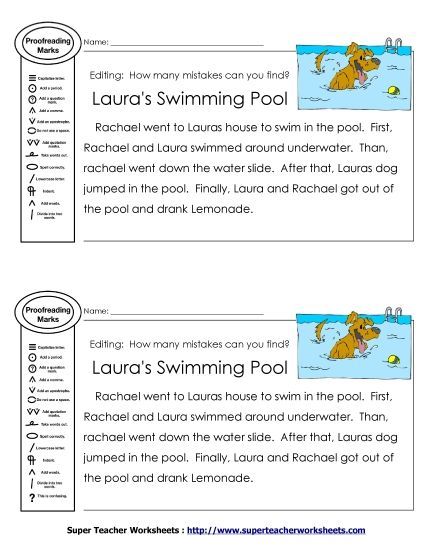
Proofreading practice worksheets work best in sessions of twenty to thirty minutes with immediate answer review. The review is more valuable than the practice itself — understanding why an error was missed reveals the knowledge gap that practice should target next.
Teachers who use proofreading practice worksheets in classroom settings report better outcomes when students review errors in pairs rather than independently. Discussion of error types reinforces the rules in ways that silent review does not.
Proofreading Practice Exercises for Ongoing Development
Sustaining proofreading practice exercises over time requires variety. Using the same source material repeatedly trains for that specific text rather than the general skill. Rotating between business documents, creative writing, academic text, and legal language keeps the skill adaptive.
Advanced proofreading practice exercises include introducing intentional errors into published text and tracking the catch rate over time. This approach measures real improvement rather than familiarity with a specific exercise format.