Picture Prompts: Unlock Creative Writing with Visual Inspiration
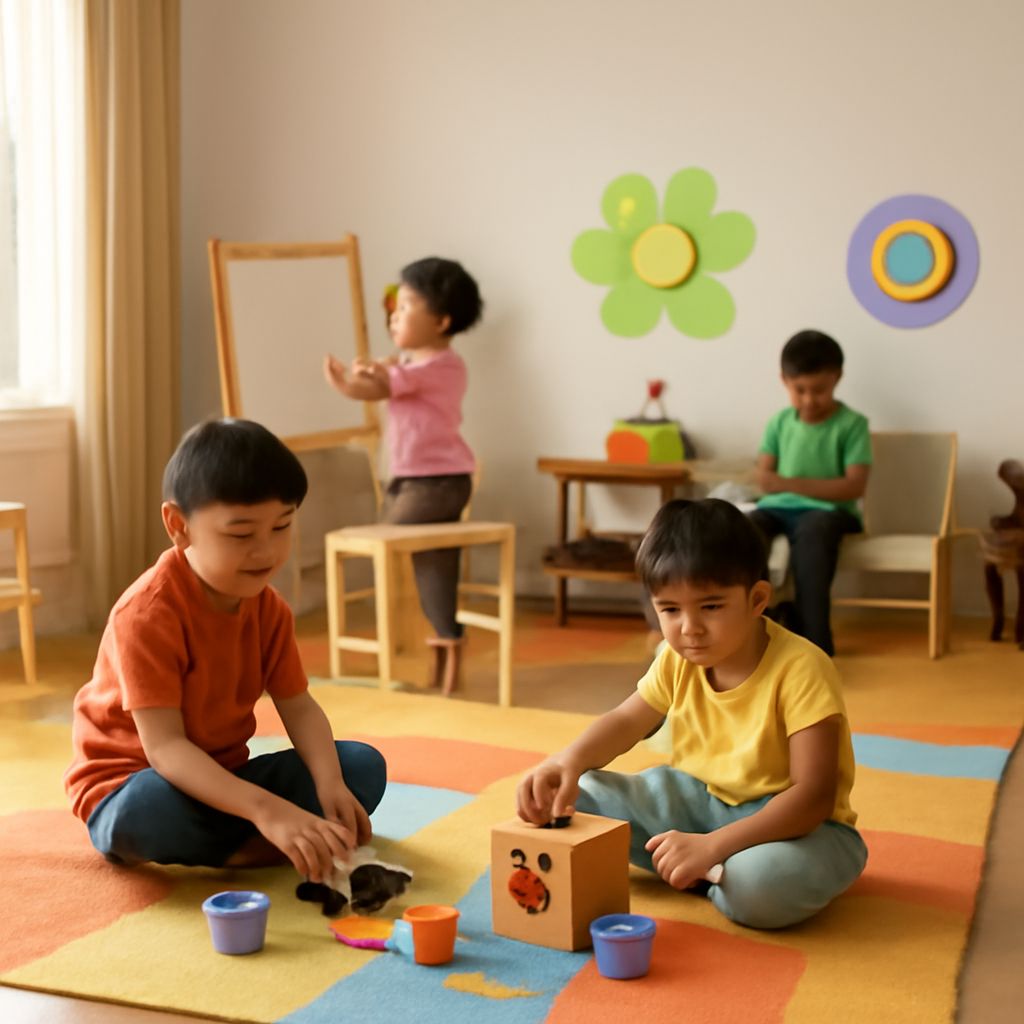
In the realm of creative writing, picture prompts have emerged as a powerful tool to unlock imagination and inspire writers. These visual cues can transform an ordinary writing session into an engaging and imaginative experience. Writers of all levels, from novices to seasoned authors, can benefit from the use of writing prompt pictures. By incorporating visual elements into the writing process, individuals can explore new dimensions of storytelling and develop unique narratives.
The significance of picture prompts lies not only in their ability to stimulate creativity but also in how they encourage writers to think outside the box. By providing a visual starting point, these prompts can help overcome writer’s block and inspire fresh ideas. This article delves into the concept of picture prompts, how to use them effectively, and how to create your own for personalized inspiration.
Understanding Picture Prompts
What Are Picture Prompts?
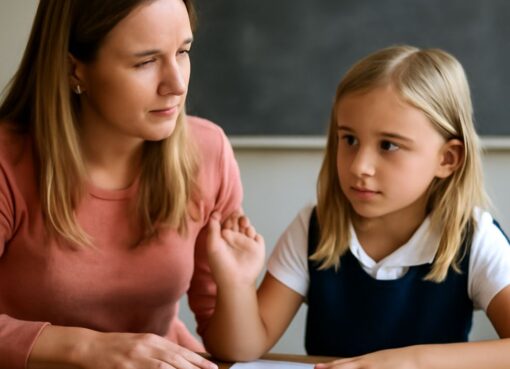
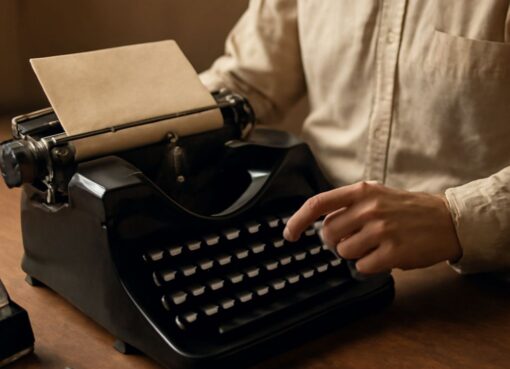
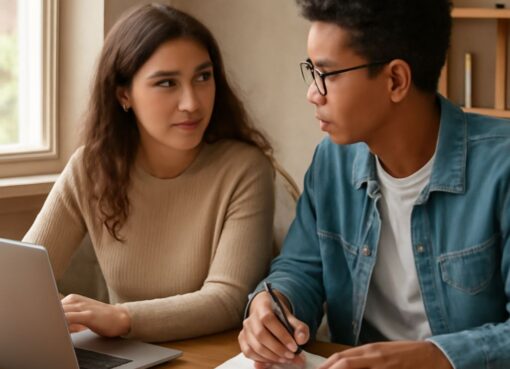
Picture prompts are images used to inspire creative writing. These images can range from simple sketches to intricate photographs, each offering a unique narrative potential. When writers engage with these visual cues, they often find themselves motivated to explore the stories that the images suggest. Writing prompt pictures serve as a catalyst for narrative development, pushing writers to create stories that might not have been conceived through words alone.
Benefits of Using Picture Prompts
The use of picture prompts in writing offers several benefits. Primarily, they can jumpstart creativity, making it easier for writers to overcome blocks and hesitation. Picture prompts encourage a deeper level of engagement, as writers must interpret the visual elements and translate them into text. Moreover, writing prompt pictures can broaden a writer’s perspective by presenting scenarios and characters they might not typically consider. This broadening of creative horizons is invaluable for developing versatile writing skills.
How to Use Writing Prompt Pictures Effectively
Choosing the Right Pictures
Selecting the appropriate images is crucial for maximizing the potential of picture prompts. Writers should look for images that evoke strong emotions or suggest intriguing scenarios. The best writing prompt pictures are those that spark curiosity and invite exploration. It is also important to consider the complexity of the image; a picture with multiple elements can provide a richer source of inspiration than one that is overly simplistic.
Incorporating Picture Prompts in Your Writing Routine
Integrating picture prompts into a regular writing routine can be beneficial for cultivating creativity. Writers might set aside specific times to engage with these prompts, allowing for dedicated sessions of exploration and creativity. By consistently working with picture prompts, writers can develop a habit of visual interpretation, which can enhance their overall writing skills. Additionally, sharing interpretations with peers can offer diverse perspectives and foster collaborative creativity.
Creating Your Own Picture Writing Prompts
Finding Inspiration
To create personalized picture prompts, writers should seek inspiration from their own surroundings or interests. Everyday scenes, objects, and interactions can serve as the basis for compelling prompts. By capturing images that resonate on a personal level, writers can ensure a deeper connection and more meaningful engagement with their prompts. Online resources and photography collections can also provide a wealth of ideas for creating unique writing prompt pictures.
Tips for Crafting Effective Prompts
When crafting picture prompts, consider the elements that make an image particularly evocative. Think about lighting, composition, and subject matter to create compelling visuals. It is also beneficial to pair pictures with thought-provoking questions or scenarios to guide the writing process. Offering a brief context or narrative element can help writers delve deeper into the story potential of the image. Writers should always ensure that their prompts are safe and non-triggering, especially when sharing them with others.