All Languages: Exploring the Rich Diversity of Communication
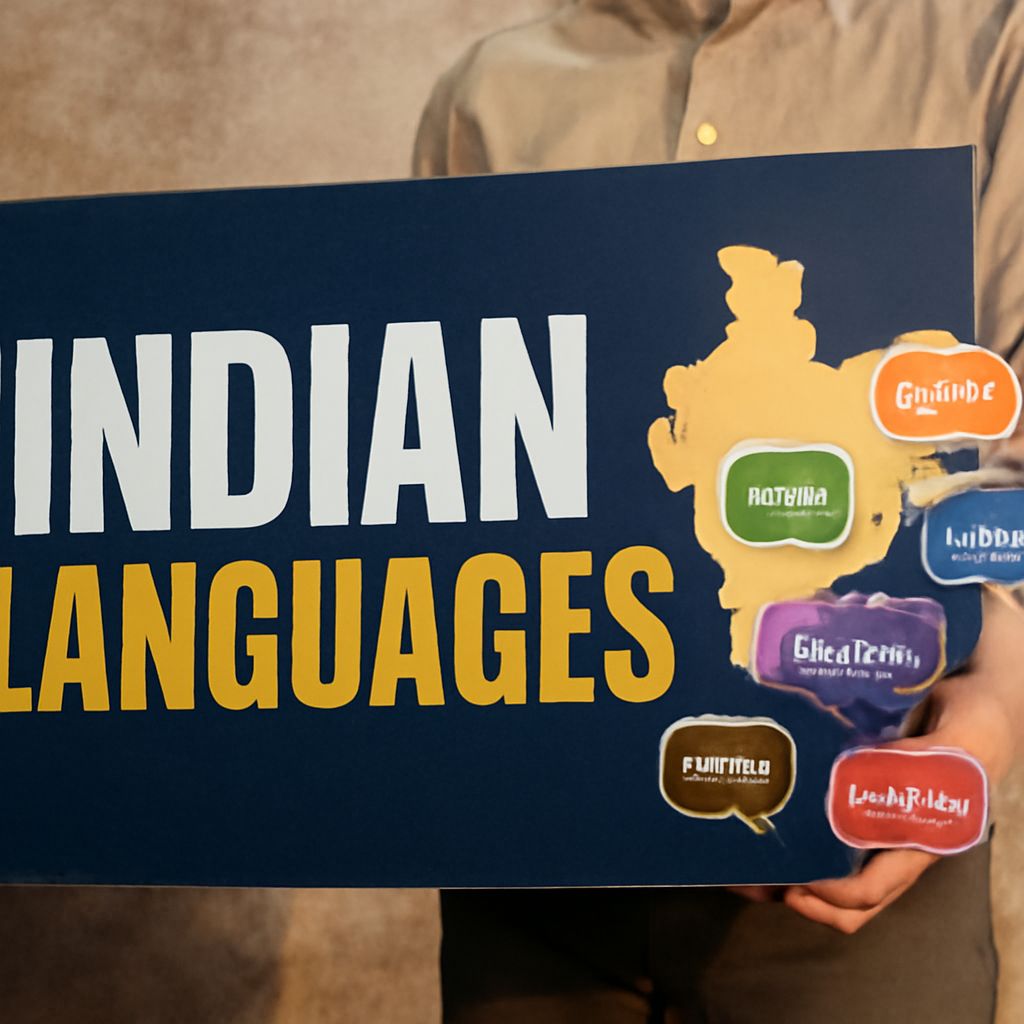
Human expression takes countless forms, but language remains the core instrument through which ideas, stories, and identities are communicated. From the most widely spoken tongues to rare dialects, the topic of all languages captures the curiosity of linguists, travelers, and culture enthusiasts alike. Understanding the immense diversity represented in a languages list reveals not just a catalog of words, but a window into the evolution and resilience of communities worldwide.
Compiling a list of all languages is no simple feat, as it involves tracing origins, classifying linguistic families, and appreciating subtle regional variations. Each language represents a thread in the fabric of human culture, and exploring their unique characteristics uncovers how communication has shaped—and continues to shape—society. This article provides a concise overview of the world’s linguistic wealth and emphasizes the importance of preservation and appreciation for future generations.
The Fascination with All Languages
The allure of all languages stems from their role as living records of human adaptation. Languages not only facilitate personal communication, but they also encode history, beliefs, and collective memory. Scholars and enthusiasts alike seek to understand how thousands of languages have flourished, traveled, and sometimes vanished across continents and centuries.
Exploring a complete languages list is an invitation to traverse cultures—each language offering unique idioms, sounds, and syntactic structures. For instance, tonal languages in Asia differ markedly from the non-tonal tongues of Europe, reflecting varied evolutionary pressures and migration patterns. Even within a single nation, regional dialects highlight how language responds to environment and identity, making the study of global communication endlessly compelling.
How a Languages List Is Compiled and Classified
Creating a comprehensive list of all languages starts with clear criteria: linguists distinguish languages from dialects based on mutual intelligibility, grammar, and sociopolitical factors. Key resources, such as the Ethnologue and ISO language codes, help structure these lists, though the total number remains fluid—languages evolve, merge, or fade with time. The process also involves cataloging extinct languages, which offer valuable insight despite no longer being spoken.
Classification relies heavily on linguistic families, such as Indo-European, Sino-Tibetan, and Niger-Congo. These groupings help make sense of the multitude of languages by tracing them back to common ancestors. Partial lists often include only living languages or exclude creoles and pidgins; however, a full list of all languages strives for inclusivity, recognizing both established tongues and those at risk of disappearing.
A Comprehensive List of All Languages and Their Origins
While no single source can capture every nuance, a well-curated list of all languages typically features over 7,000 distinct entries, each with unique codes and background details. This inventory spans from global powerhouses like Mandarin Chinese and Spanish to indigenous dialects spoken by just a handful of people. Each entry traces origins, noting ancestral ties and historical migration patterns.
The origins of languages offer clues to cultural diffusion and contact. For example, the spread of Arabic and French across Africa resulted largely from historical trade and colonization. Partial surveys may focus on major languages, but a truly exhaustive list highlights endangered and minority languages, drawing attention to the need for documentation and revitalization. Understanding these roots fosters a deeper appreciation for the world’s communicative diversity.
The Role of Languages in Shaping Cultures
Languages are not just means of exchanging information—they actively shape worldviews. Each language encodes customs, values, and ways of thinking, often expressed through untranslatable terms or unique grammatical structures. A diverse languages list serves as a testament to how communication molds identities and preserves collective heritage.
Consider the impact of language on rituals, music, and oral storytelling traditions. Societies using multiple languages or dialects often display rich hybrid cultures, blending concepts from several origins. The dynamic interplay of language and culture underscores why safeguarding linguistic diversity matters; losing a language can mean the loss of irreplaceable knowledge and perspective.
Preserving Linguistic Diversity for Future Generations
With many entries on the list of all languages facing decline, preservation efforts have become urgent. Linguists, educators, and cultural advocates work to record endangered tongues, develop teaching resources, and encourage intergenerational language transmission. Technology also plays a growing role, facilitating digital archiving and wider community engagement.
Ensuring the survival of linguistic diversity is essential for cultural resilience. From policy initiatives to grassroots revival projects, there are practical ways for individuals and institutions to support this cause. When handling documentation tools or recording devices, users should exercise care and consideration for participants’ privacy and community preferences.
Key takeaways: The rich diversity represented in all languages offers an unparalleled view into human ingenuity and adaptation. Exploring a full languages list reveals deep cultural ties and highlights the crucial need for linguistic preservation to maintain global heritage. Supporting language diversity ensures future generations can access the full tapestry of human expression.