Collard Greens: A Culinary and Cultural Staple
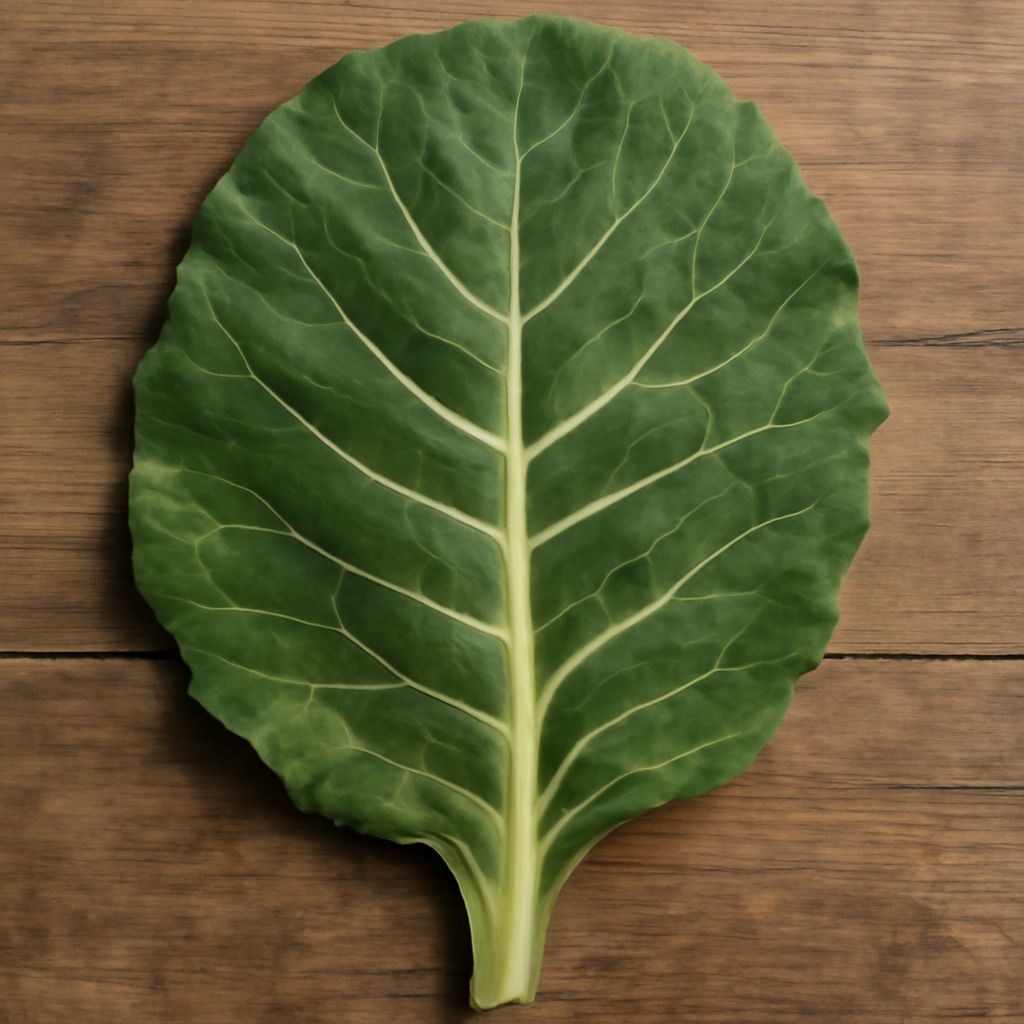
Collard greens have long been more than just another vegetable—they are a symbol of resilience and community, making them a cornerstone in food and recipes across cultures. Their robust leaves and earthy flavor have earned them a place at tables from the American South to Africa and beyond. Exploring the journey of collard greens reveals a story rich in history, innovation, and culinary diversity.
This article delves into the cultural history of collard greens, their rise as a culinary tradition, and their presence in modern food culture. Whether one is seeking classic collard greens recipes or understanding their broader significance, the enduring appeal of collards is clear in every simmering pot and shared meal.
The Cultural History of Collard Greens
Collard greens trace their origins back thousands of years, with evidence suggesting their cultivation in ancient Greek and Roman societies. Over time, their cultivation spread through Europe, Africa, and the Americas, making them one of the oldest members of the Brassica family. The journey of collards into the Americas is inseparable from the history of enslaved Africans, who brought with them agricultural knowledge and cooking techniques that would help shape Southern cuisine.
Throughout history, collard greens have held a special place in the diets of people facing adversity. During times of scarcity, collards were a reliable and hardy crop, valued for their ability to grow in challenging conditions. Their association with soul food in the United States is a testament to the ingenuity of African American cooks, who transformed humble greens into deeply flavorful and symbolic dishes. In many households, the preparation and sharing of collard greens became a cherished tradition, passed down through generations.
Globally, variations of collard greens recipes have also taken root in Portuguese, Brazilian, and East African cuisines, each adapting the greens to local palates and customs. Their versatility and nutritional value have made collards a staple in both celebratory and everyday meals, cementing their status as a cultural and culinary mainstay.
How Collards Became a Culinary Tradition
The rise of collard greens as a culinary tradition can be largely attributed to their adaptability and nutritional density. In the American South, collards were commonly cooked low and slow with smoked meats, onions, and a splash of vinegar, creating a hearty side dish enjoyed at family gatherings and community events. These cooking methods not only flavored the greens but also made tough leaves tender and satisfying.
Families developed their own distinctive collard greens recipes, incorporating local flavors, available spices, and treasured family secrets. The ritual of cleaning, chopping, and simmering collards became an act of togetherness, especially on Sundays and holidays. Beyond taste, collard greens symbolized prosperity and good luck when eaten on New Year’s Day—a tradition rooted in folklore and cherished across generations.
Outside the Southern United States, collards have found their way into dishes such as Brazilian couve à mineira and Portuguese caldo verde, showing that these leafy greens can unite cultures through shared food and recipes. Their ability to absorb robust flavors makes them a favorite among both home cooks and chefs seeking to celebrate tradition or experiment with new culinary creations.
Popular Collard Greens Recipes and Cooking Tips
Classic collard greens recipes often begin with a generous wash to remove grit, followed by cutting the leaves into ribbons. Traditional Southern-style collards are simmered with smoked turkey, ham hocks, or bacon, creating a savory broth known as “potlikker.” A splash of vinegar or hot sauce adds tang, while slow cooking brings out the greens’ deep, comforting flavor.
Modern variations expand on these methods, with sautéed collards offering a quicker alternative and raw collard wraps providing a nutritious, gluten-free option. No matter the technique, collards’ firm texture and earthy notes make them suitable for a range of dishes, from soups to stir-fries. Pairing them with garlic, onions, and citrus can elevate their unique taste profile and offer a fresh take on classic food and recipes involving greens.
When preparing collard greens, use a sharp knife to avoid bruising the leaves and be mindful of any skin sensitivity some may experience while handling raw greens. Cooking collards with acidic ingredients, such as tomatoes or lemon juice, can also help retain their vibrant color and nutritional benefits, ensuring every meal is as wholesome as it is flavorful.
Collards in Modern Food Culture
Collard greens are experiencing a renewed appreciation in contemporary cuisine. Health-conscious cooks value their high fiber, vitamin K, and antioxidant content, making them a top choice for plant-forward food and recipes. Innovative chefs are reimagining collards beyond their traditional context, incorporating them into smoothies, salads, and fusion dishes that appeal to a diverse audience.
Farmers’ markets and grocery stores now feature fresh and pre-cut collards, making them more accessible year-round. Food bloggers and recipe developers have contributed to the vegetable’s revival by sharing creative collard greens recipes that cater to vegan, vegetarian, and omnivorous diets alike. This resurgence is helping to connect new generations with the cultural roots of collards while inviting experimentation in the kitchen.
As conversations about food heritage and sustainability grow, collard greens continue to embody the values of resourcefulness, nourishment, and shared experience. Their journey from humble fields to contemporary kitchens highlights the power of food to tell stories and bring people together.
Bottom line: Collard greens have earned their place as a beloved ingredient in food and recipes worldwide. Their rich history and adaptability ensure they remain both a culinary staple and a bridge between cultures, past and present.