Huckleberry: Exploring the Wild Huckleberry’s Culinary and Cultural Roots
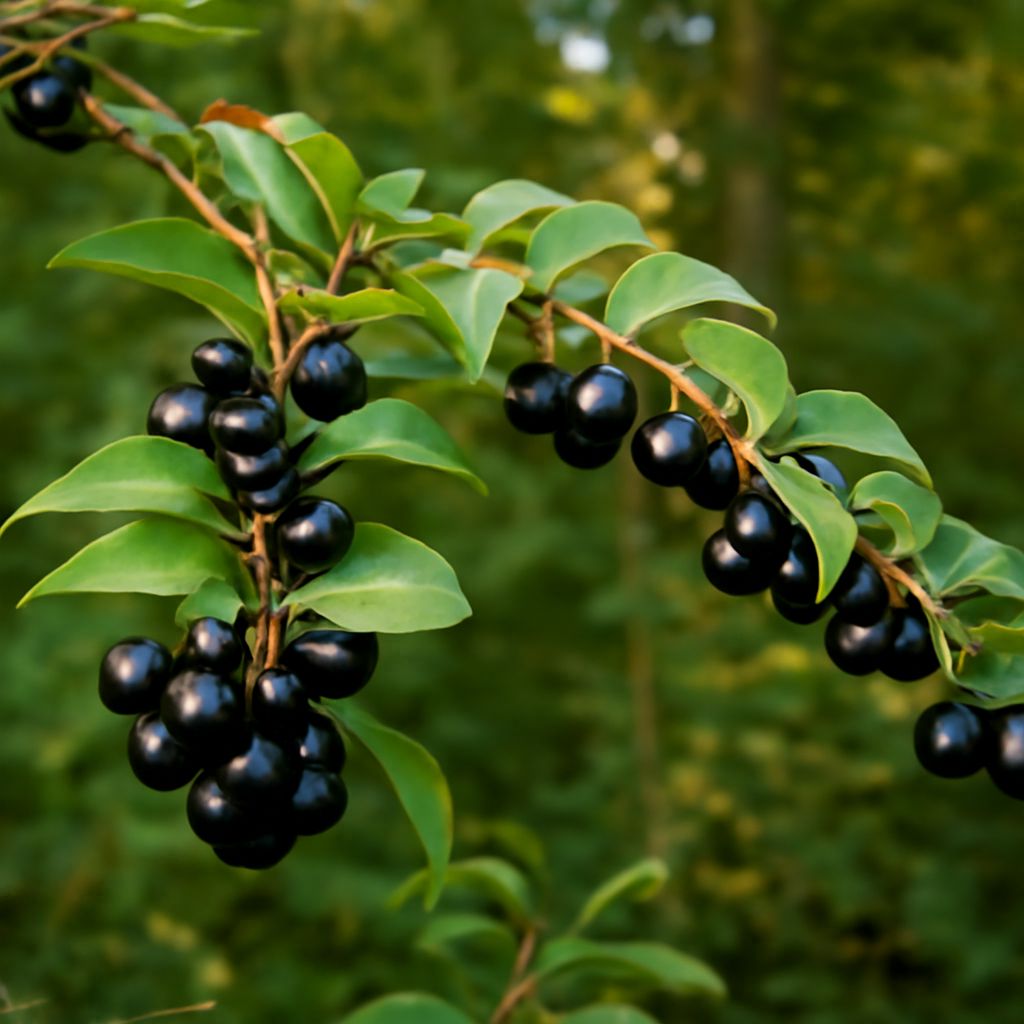
The huckleberry holds a distinct place within both wild landscapes and culinary traditions, cherished by communities for generations. While often overshadowed by more familiar fruits, wild huckleberry stands out for its remarkable flavor and rich symbolism in local cultures. This article explores the role of huckleberry in food and recipes, tracing its journey from foraging grounds to kitchens, and examining its enduring cultural relevance.
By delving into the huckleberry’s regional and historical roots, readers can better appreciate why wild huckleberry remains a treasured ingredient. The following sections reveal how this elusive berry shapes local heritage, flavors celebratory dishes, and inspires contemporary as well as traditional recipes.
The Legacy of Huckleberry in Regional Cultures
Throughout North America, the huckleberry is more than just a wild fruit; it symbolizes a connection to the land and cultural identity. Indigenous peoples in the Pacific Northwest, for example, have long revered wild huckleberry for its nutritional value and spiritual significance. Annual berry-picking rituals not only provided sustenance but also fostered communal ties, with generations gathering during peak seasons to celebrate and preserve tradition.
In the Appalachian region, huckleberry festivals and fairs highlight the berry’s importance as a source of pride and local flavor. Stories and folklore frequently reference the huckleberry as a symbol of abundance and resilience. The phrase “a huckleberry above a persimmon” points to its esteemed status, while its appearance in regional music and storytelling further cements its role in cultural expression.
Today, many communities continue to honor the huckleberry’s legacy through celebratory events and recipes passed down through families. These practices keep the berry’s heritage alive, fostering a sense of belonging and continuity.
Wild Huckleberry: Nature’s Untamed Treasure
Wild huckleberry thrives in forested and mountainous areas, particularly in the Pacific Northwest and the Rocky Mountains. Unlike domesticated fruits, it resists large-scale cultivation, making each harvest a rare treat. Its growth relies on specific soil and climate conditions, often found on sunny hillsides and in high-altitude environments.
The wild huckleberry’s distinct tart-sweet flavor and deep purple hue distinguish it from its distant relatives, such as blueberries. Foragers must develop expertise in identifying the bush and timing the harvest, as the berries ripen unpredictably from late spring through early autumn. This unpredictability adds to the allure, with each berry-picking excursion promising a unique bounty.
Because wild huckleberry cannot be reliably farmed, its scarcity enhances its value in local markets and culinary circles. Whether enjoyed fresh or preserved, each berry offers a taste of the wild landscape from which it came.
From Foraging to Table: Huckleberry’s Culinary Journey
Gathering wild huckleberry demands careful observation and respect for natural cycles. Foragers often protect secret picking spots, passing down their knowledge discreetly. Once harvested, the berries require gentle handling to preserve their delicate skin and vibrant flavor.
In the kitchen, wild huckleberry lends itself to a range of food and recipes, from rustic jams to elegant sauces. Its versatility is celebrated in both sweet and savory creations. While making preserves or syrups, cooks savor the intense fragrance and vivid color the berries impart. Huckleberries also shine in pies, muffins, and pancakes, with their bold taste enhancing classic baked goods.
It is important to use clean, sharp tools when preparing wild huckleberry, as the berries can stain hands and surfaces. Those with sensitive skin should take precautions to avoid irritation during the cleaning and processing stages. Overall, the process from foraging to table highlights the berry’s singular character and the skill needed to make the most of its fleeting season.
Traditional and Modern Wild Huckleberry Recipes
Classic wild huckleberry recipes often focus on highlighting the berry’s natural flavor. Pies, cobblers, and preserves remain favorites at family gatherings and local festivals. Simple huckleberry jam, made with just sugar and lemon, allows the fruit’s tartness to shine, while savory glazes for game or pork pair the berry’s depth with rich meats.
Modern chefs have embraced wild huckleberry in innovative dishes, such as vinaigrettes, ice creams, and cocktails. By incorporating the berry into creative food and recipes, cooks introduce its distinct taste to new audiences. For example, wild huckleberry compote adds a gourmet touch to breakfast or dessert, while a reduction sauce can elevate roasted poultry or fish.
Throughout both traditional and contemporary recipes, the goal remains the same: to honor the wild huckleberry’s unique character and fleeting availability.
Preserving the Huckleberry Heritage
Ensuring the future of wild huckleberry means respecting its natural habitat and sharing sustainable foraging practices. Limiting harvests and leaving some berries for wildlife helps maintain healthy populations. Educational initiatives hosted by local communities or foraging groups teach proper identification and ethical gathering techniques, ensuring future generations can enjoy this natural resource.
Passing down recipes, stories, and foraging knowledge forms a key link between past and present. Home cooks and chefs alike are encouraged to experiment with wild huckleberry while respecting its origins and rarity. By celebrating the berry in both food and cultural traditions, its legacy endures and adapts for years to come.
Next steps: Those interested in experiencing wild huckleberry can seek foraging workshops or visit regional festivals. Practicing responsible harvesting and exploring new recipes ensures the berry’s place in both kitchen and culture. Always use clean tools and be mindful of any sensitivities when handling the fruit.