Mangosteen: The Queen of Fruits in Culture and Cuisine
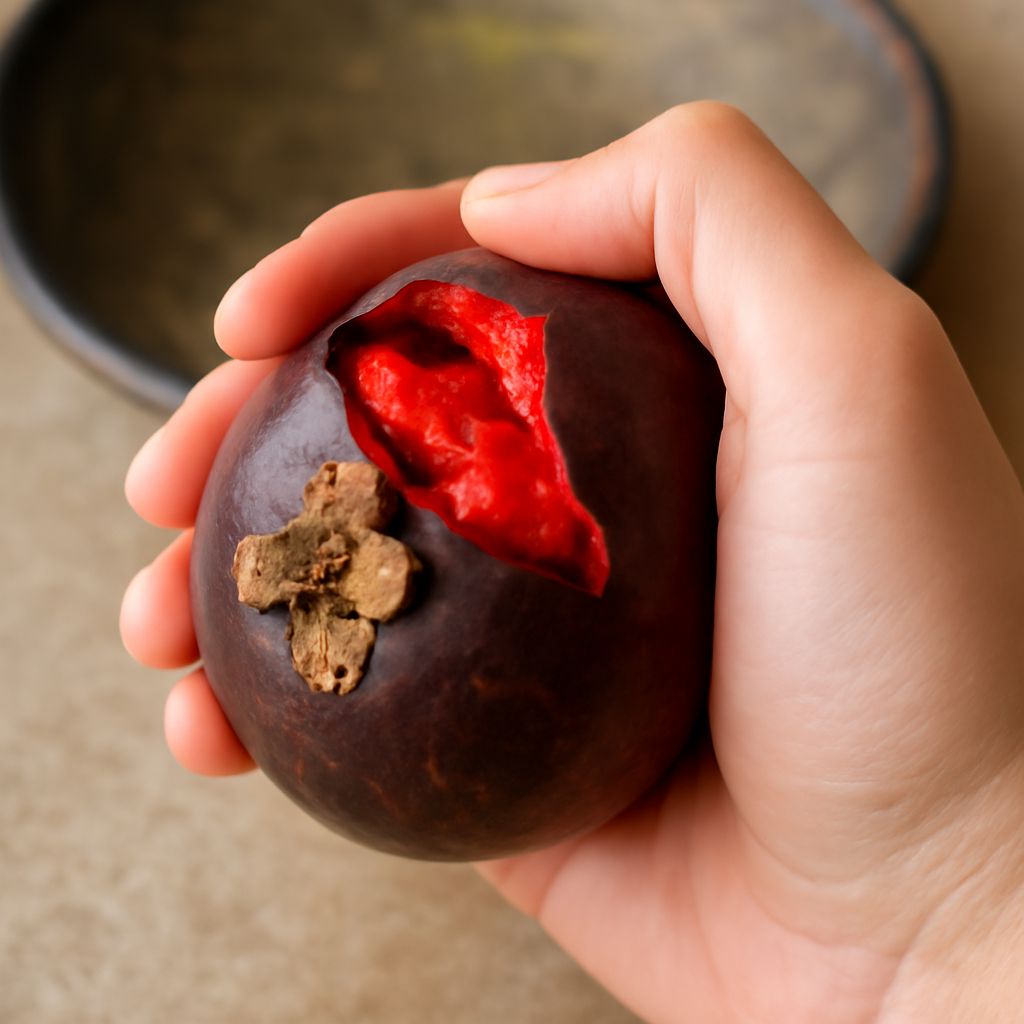
Mangosteen, often celebrated as “the queen of fruits,” is a prized delicacy with a storied past and a unique place in global cuisines. Its vibrant purple rind and juicy, aromatic pulp have captured the attention of food lovers and cultural historians alike. This article delves into the origins of mangosteen, uncovering why purple mangosteen holds such esteemed status in both food and tradition.
From Southeast Asian markets to fine dining, purple mangosteen’s sweet, tangy flavor and healthful properties make it a standout ingredient. Explore how this tropical fruit is woven into cultural rituals, its nutritional highlights, and the ways it inspires both simple and inventive recipes around the globe.
The Origins and History of Mangosteen
The story of mangosteen traces back to the tropical rainforests of Southeast Asia. Historical records suggest its cultivation began in regions now known as Malaysia, Indonesia, and Thailand. Over centuries, mangosteen became a symbol of prosperity and was often reserved for royalty, which contributed to its nickname as “the queen of fruits.” As trade routes expanded, the fruit spread across Asia, reaching India, the Philippines, and even Africa.
Botanically classified as Garcinia mangostana, mangosteen trees require warm, humid climates and take years to bear fruit. The slow, labor-intensive cultivation process has influenced the fruit’s value in regional markets. Despite challenges in transportation and spoilage, purple mangosteen eventually found its way to Europe and North America, where it remains a sought-after exotic delicacy.
Throughout its history, references to mangosteen appear in both colonial records and indigenous folklore, illustrating its longstanding appeal and central role in storytelling and feasts. Its persistence across centuries highlights deep-rooted connections between the fruit, community, and land.
Cultural Significance of Purple Mangosteen
Across Southeast Asia, purple mangosteen is more than just a food; it is a cultural icon. In Thailand and Malaysia, the fruit is frequently offered at religious ceremonies, thought to bring blessings and signify abundance. Its regal moniker reflects admiration for its flavor and rarity, as well as its association with hospitality and celebration.
Mangosteen is also featured in art, festivals, and traditional medicine, symbolizing purity and health in many communities. The fruit’s distinct purple skin and white inner segments inspire decorative motifs in textiles and ceramics. Sharing purple mangosteen among family and guests is a gesture of friendship and respect, reinforcing its importance in social gatherings.
Part of the fruit’s cultural status arises from its harvest season—a time marked by anticipation and communal festivity. Folk stories recount the magical qualities attributed to mangosteen, further embedding it into regional identity and practice.
Nutritional Benefits of Mangosteen
Nutritionists and food enthusiasts alike recognize mangosteen’s healthful profile. Purple mangosteen is rich in vitamin C, fiber, and a category of natural antioxidants called xanthones, which are linked to immune support and cellular health. These properties contribute to the fruit’s reputation as a “superfood” in both traditional and contemporary diets.
In addition to its antioxidant content, mangosteen provides modest amounts of B vitamins, manganese, and potassium, supporting metabolic functions and hydration. Its low-calorie, high-water content appeals to those seeking nutritious snacks or ingredients for refreshing dishes.
While mangosteen is generally safe for consumption, individuals should use care when handling the thick rind with sharp knives, and those with skin sensitivities may wish to wear gloves during preparation to avoid irritation.
How Purple Mangosteen Is Enjoyed Around the World
The culinary uses of purple mangosteen are as diverse as the cultures that cherish it. In Thailand and Indonesia, the fruit is often eaten fresh, prized for its delicate balance of sweetness and acidity. Mangosteen also finds its way into preserves, jams, and desserts, blending seamlessly with coconut, tropical fruits, and aromatic herbs.
Chefs in contemporary kitchens use mangosteen in salads, sorbets, and even savory dishes, its juicy flesh adding a refreshing contrast to rich flavors. In the Philippines, mangosteen is incorporated into juices and syrups, while in Western countries, it is increasingly featured in gourmet fruit platters and fusion cuisine.
Despite regional variations, the experience of tasting purple mangosteen—whether raw or as part of complex recipes—remains a culinary highlight, celebrated for both its unique flavor and cultural heritage.
Simple Recipes Featuring Mangosteen
Integrating mangosteen into recipes can elevate even the simplest dishes. For a classic approach, fresh mangosteen segments may be served chilled, paired with ripe mango or pineapple for a vibrant fruit salad. Its mild tang complements both sweet and savory profiles, making it a versatile choice for appetizers or desserts.
To prepare a quick mangosteen sorbet, blend peeled segments with lime juice and a touch of honey, then freeze until set. For a Southeast Asian-inspired salad, combine mangosteen with mint, chili, and roasted peanuts, dressed lightly with fish sauce and lime. The fruit’s soft texture and complex flavor can also brighten yogurt parfaits or be pulped into refreshing beverages.
When preparing mangosteen, a gentle incision around the rind with a sharp knife is essential; care should be taken to avoid injury and to preserve the delicate segments within. These recipes showcase the versatility and allure of mangosteen in everyday cooking.