Slogan T Shirts: How to Win the Slogan Game
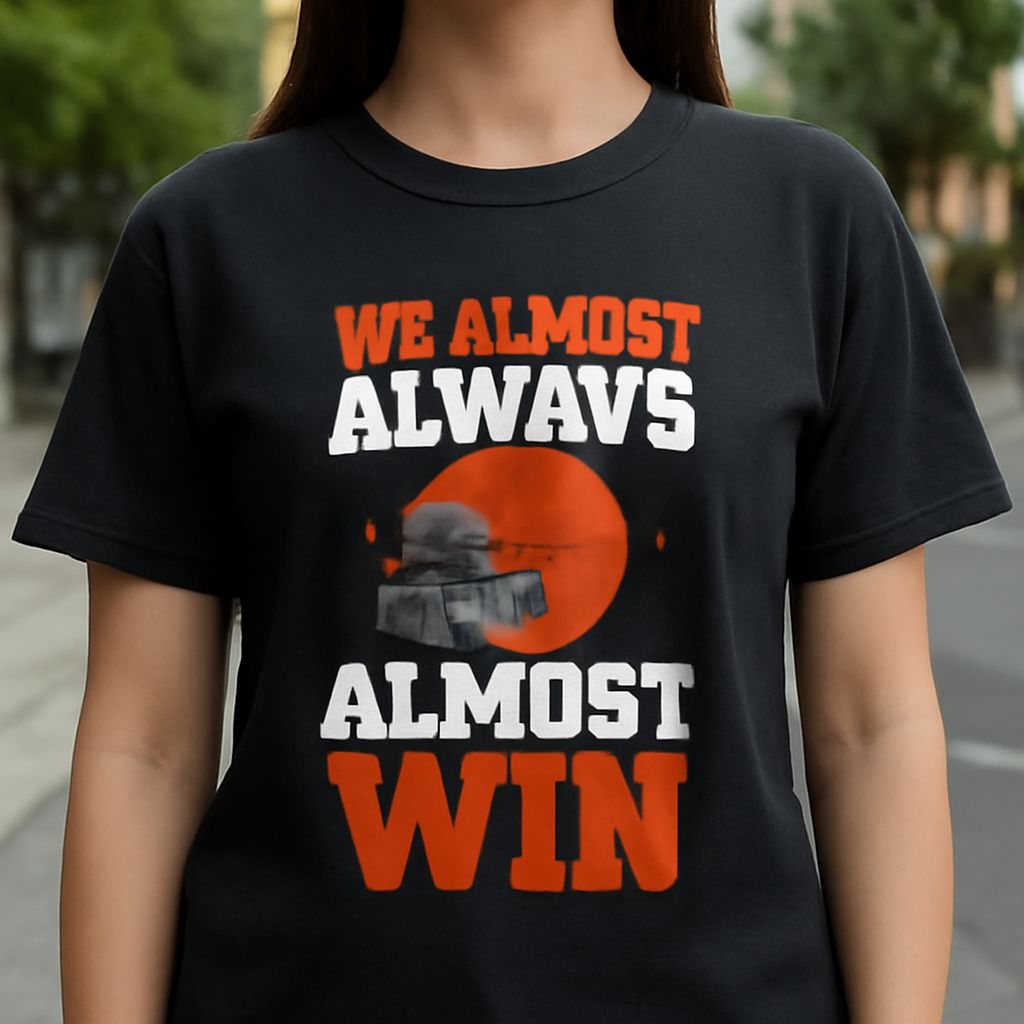
Slogan t shirts are one of the most durable formats in retail fashion. A single phrase printed across a chest can carry humor, politics, identity, or brand loyalty. Understanding what makes slogan tees succeed requires looking at copywriting principles applied to a very small canvas. Whether a brand is launching slogan shirts for a campaign or an individual is trying to crack the slogan game, the fundamentals remain the same.
Slogan t shirts thrive on clarity, resonance, and timing. The best performing designs distill a message into six words or fewer. Slogan t shirt copy that reads well at a glance and ages without becoming dated tends to generate sustained sales. This article examines what separates forgettable prints from phrases people actively seek out.
What Makes Slogan T Shirts Sell
The market for slogan tees is split between evergreen designs and moment-driven prints. Evergreen slogan tees use universal emotions: humor about coffee, sarcasm about Mondays, affirmations about resilience. These sell year-round without needing a news cycle to drive interest. Moment-driven slogan shirts, by contrast, ride cultural events, election cycles, or viral trends. They sell fast but have a short window.
Copywriters who understand tone know that slogan shirts work best when the message feels like something the wearer would actually say. The phrase should fit the demographic’s voice without sounding like an ad. Bland slogan tees that read like corporate slogans tend to perform poorly regardless of print quality.
Typography plays a role alongside the copy itself. Large, bold fonts amplify aggression or confidence. Thin, handwritten fonts suggest irony or softness. Slogan shirts that align font style with message tone create stronger visual coherence and higher perceived value.
The slogan game rewards specificity. Vague positivity like “Be Your Best Self” rarely outperforms a niche-specific phrase that speaks directly to a defined audience. Slogan shirts aimed at teachers, nurses, gamers, or dog owners perform consistently when the language is sharp and insider-specific. A phrase that makes its target audience feel seen is more likely to result in a purchase than something broadly appealing.
Testing matters in the slogan game. Print-on-demand platforms allow designers to test multiple variants with minimal upfront cost. Tracking which slogan tees convert at higher rates across a catalog helps inform future copy decisions. Designers and writers who treat slogan shirts as an iterative copywriting exercise rather than a one-and-done creative effort build stronger product lines over time.
Licensing and originality are worth noting. Using copyrighted phrases, song lyrics, or trademarked slogans without permission creates legal exposure. Marketplaces have become stricter about enforcing intellectual property claims on slogan shirts, so original copy is both the ethical and commercially safer route.
Key takeaways: Slogan t shirts succeed when they combine specific audience targeting, voice-matched copy, and consistent typography. Winning the slogan game means iterating on ideas, testing results, and protecting original work through proper channels.